

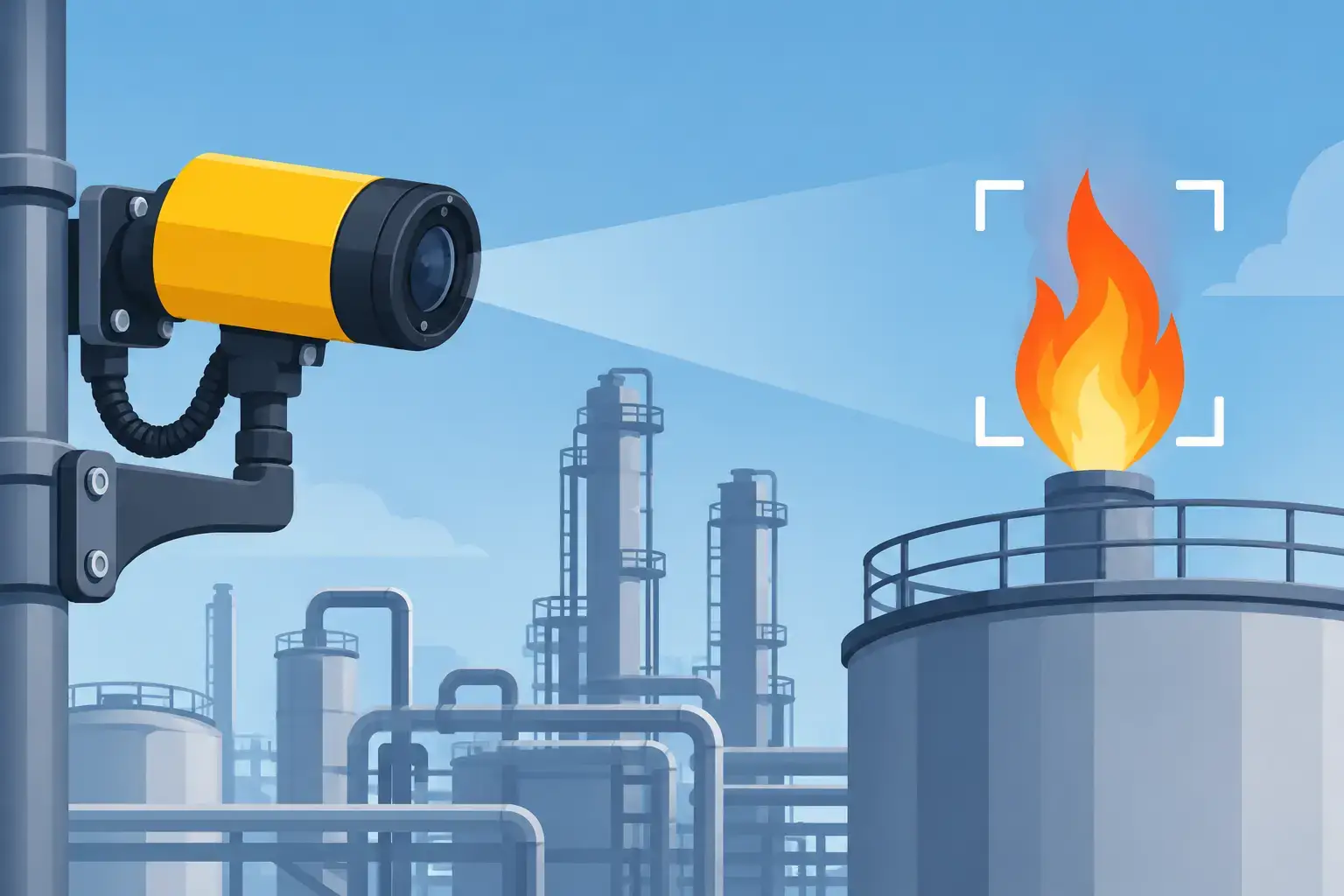
A flame can develop from ignition to a serious process fire far more quickly than a conventional smoke detection system can respond. In areas where combustible liquids, gases, high temperatures or open machinery are present, industrial flame detection systems provide early warning based on the radiation emitted by fire itself. That speed can make the difference between a controlled shutdown and prolonged asset loss, production interruption or a major incident.
For operators of critical plant, the question is not simply whether flame detection is needed. It is whether the detector technology, field of view, control logic and suppression response have been designed around the real hazards on site.
What industrial flame detection systems do
Flame detectors identify the ultraviolet, infrared or combined radiation produced by flames. Unlike point smoke detectors, which depend on combustion products reaching the sensing chamber, flame detectors can recognise a fire at distance where there is a clear line of sight.
This makes them particularly useful in large, open or ventilated environments where smoke may disperse, stratify or take too long to reach a detector. They are also suited to hazardous processes where an ignited fuel source may produce intense flame before significant smoke has accumulated.
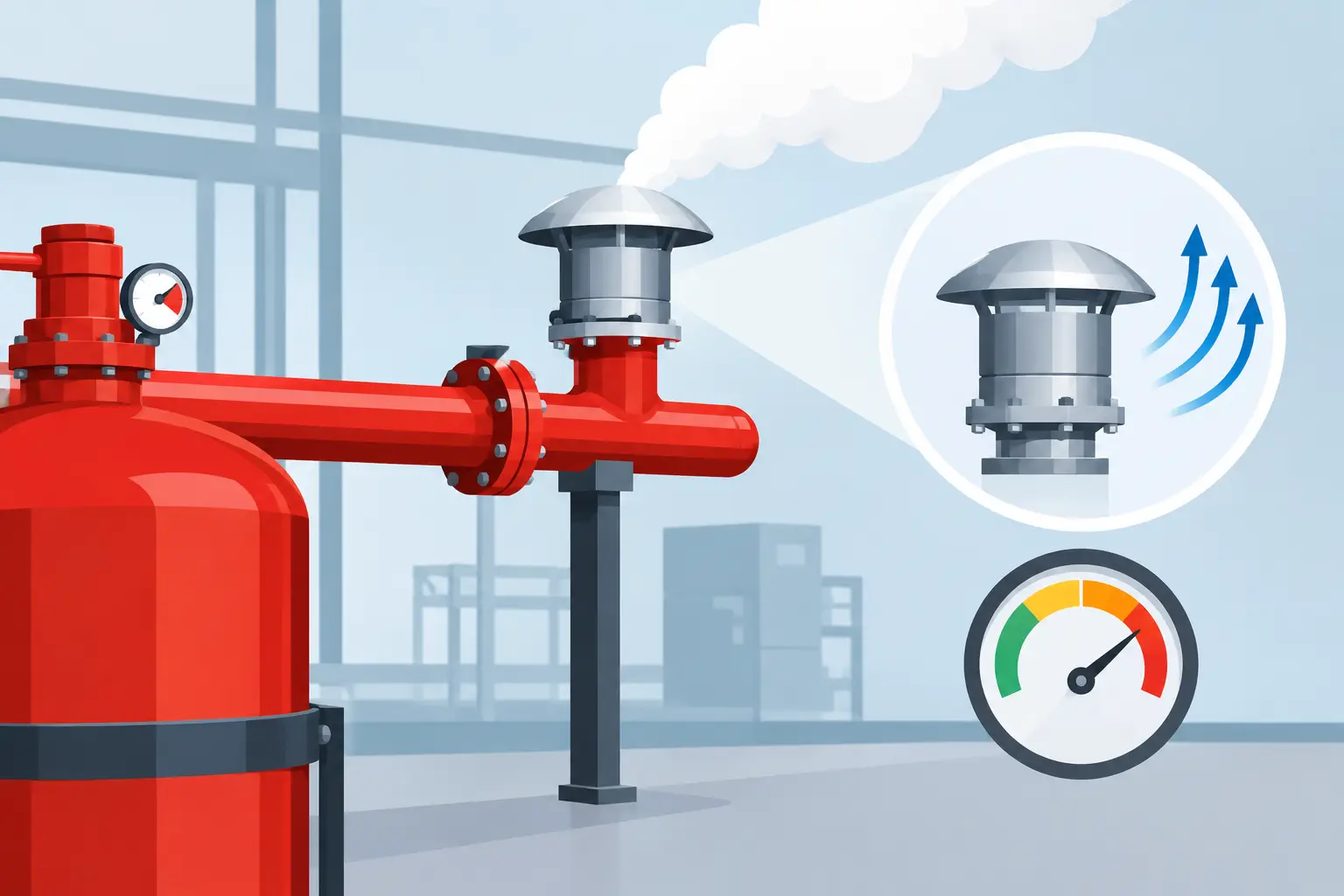
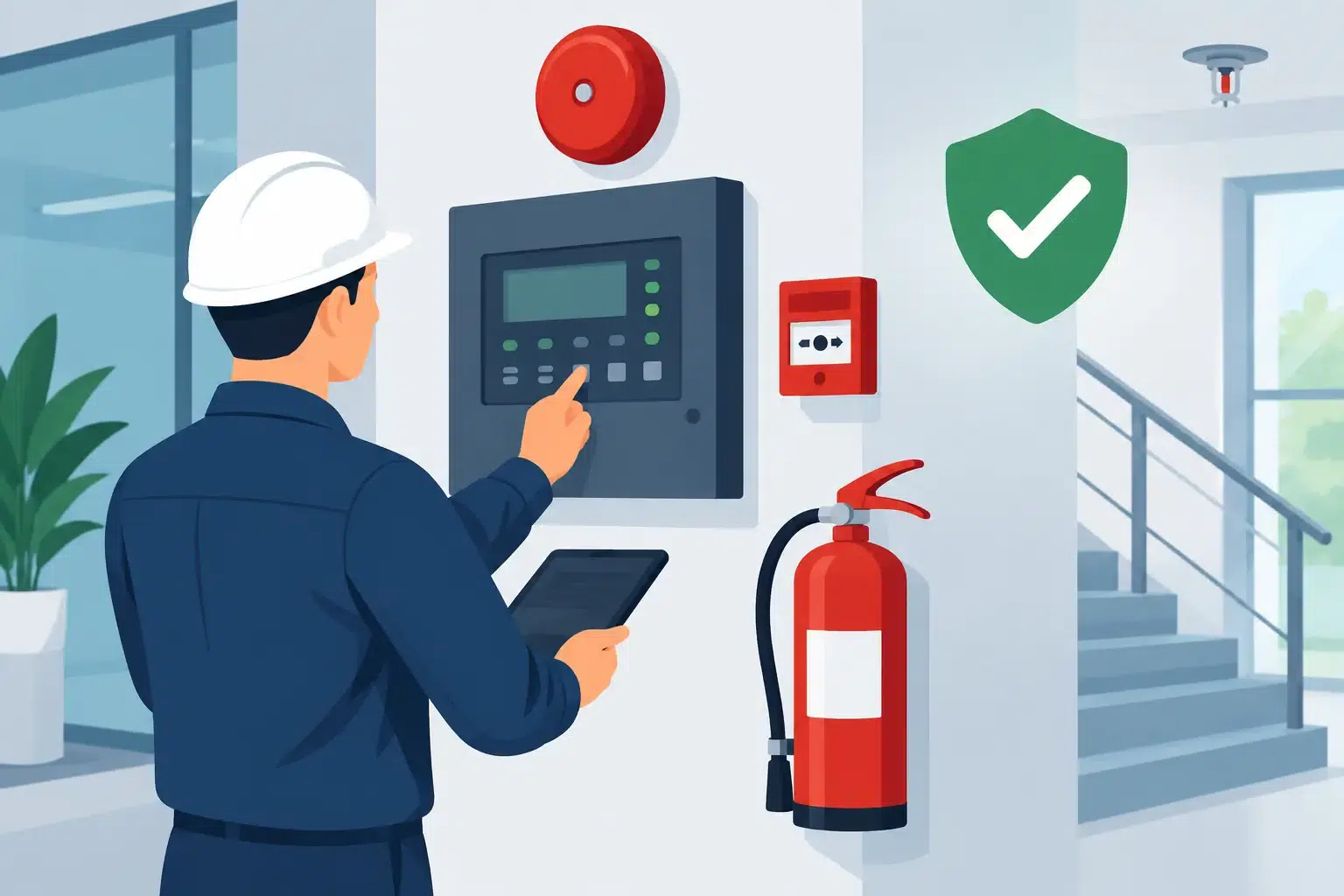
A complete system usually combines detectors with suitable mounting arrangements, fire alarm control equipment, interface modules, audible and visual alarms, shutdown controls and, where required, an automatic fire suppression system. The response may include stopping fuel flow, closing dampers, isolating electrical equipment, activating deluge or dry-powder protection, or releasing a gaseous extinguishing agent into a protected enclosure.
The detector is therefore one part of an engineered response. Its value depends on what happens after it identifies a genuine fire.
Choosing the right flame detector technology
Detector selection starts with the expected fuel and fire behaviour, not with a preferred product type. Different technologies see different parts of the electromagnetic spectrum and have different strengths in challenging conditions.
UV flame detection
Ultraviolet detectors respond quickly to the UV radiation produced by many hydrocarbon and hydrogen fires. They can be effective where very rapid recognition is required, but their application needs careful assessment. Welding arcs, lightning and certain electrical discharges can create UV energy that may cause unwanted alarms if controls and positioning are not properly considered.
IR and multi-spectrum IR detection
Infrared detectors recognise the characteristic IR emissions of flame. They are commonly used for hydrocarbon risks and can offer good resilience against some nuisance sources. Multi-spectrum infrared, often described as IR3, compares radiation across several wavelengths to distinguish real fire signatures from background heat and light.
This added discrimination can be valuable in demanding industrial environments, particularly where sunlight, hot surfaces, furnaces or fluctuating process conditions are present. It does not remove the need for correct siting and testing. A detector can only perform as intended when its view of the risk is maintained.
UV/IR and visual flame detection
Combined UV/IR detectors use two sensing methods to improve fire confirmation and reduce susceptibility to false alarm sources. Visual flame detection uses camera-based analysis, sometimes with thermal imaging, and can be appropriate for wide external areas or complex assets where visual verification is useful.
The best option depends on the hazard, expected fire size, detection distance, environmental conditions and required response time. For example, an external fuel loading area may need long-range infrared coverage and weather-resistant equipment, while an enclosed turbine enclosure may require fast detection integrated directly with shutdown and suppression controls.
Design begins with the risk, not the drawing
A common mistake is to treat flame detectors like conventional ceiling-mounted devices. Flame detection is governed by geometry, obstructions and the characteristics of the anticipated fire. A technically capable detector can still leave a critical blind spot if pipework, structural steel, vehicles, cable trays or machinery block its line of sight.
A proper design review should consider the protected volume or outdoor zone, credible ignition points, fuel type, ventilation, ambient temperatures, vibration, contamination, weather exposure and normal activities that could be mistaken for flame. It should also establish how quickly a fire must be detected to protect people, equipment and production.
Detector coverage figures should be interpreted carefully. Published ranges are normally based on specified test fires under controlled conditions. They are not a guarantee that every type of real fire will be detected at the same distance in every environment. Small fires, obscured flames and fuels with weaker emissions may require closer spacing or complementary detection methods.
For this reason, engineered layouts often use overlapping fields of view. Cross-zoning or coincidence logic can be used where an automatic suppression release needs a higher level of confirmation. This reduces the likelihood of unwanted discharge, but it must not introduce unacceptable delay where fire growth is rapid.
Where flame detection adds the most value
Industrial flame detection systems are well suited to applications where fire can be visible before smoke accumulates, or where conventional smoke detection has practical limitations. Typical examples include turbine and generator enclosures, engine test cells, fuel handling areas, pump rooms, loading bays, chemical processing zones, paint spray operations, waste and recycling facilities, offshore-related equipment, transformer compounds and manufacturing lines with flammable liquids.
They can also protect high-value equipment where a minor fire must trigger immediate action. In a machinery enclosure, early detection may initiate local suppression before flames damage controls, cabling and precision components. In an external process area, it may isolate the fuel source and alert operators before a localised event becomes a wider escalation risk.
Flame detection is not automatically the right answer for every industrial space. Slow, smouldering fires may produce significant smoke before visible flame, so aspirating smoke detection or other technologies may be more suitable. Some sites benefit from a layered approach: early warning smoke detection, flame detection for rapid flaming fires, and automatic suppression for intervention when people cannot safely respond in time.
Integration with suppression and plant controls
The most effective designs connect detection with a clearly defined cause-and-effect strategy. When a confirmed fire signal is received, the system may raise an alarm, close fire shutters, stop ventilation, shut down machinery, isolate fuel or power, start water-based protection, or release an appropriate extinguishing agent.
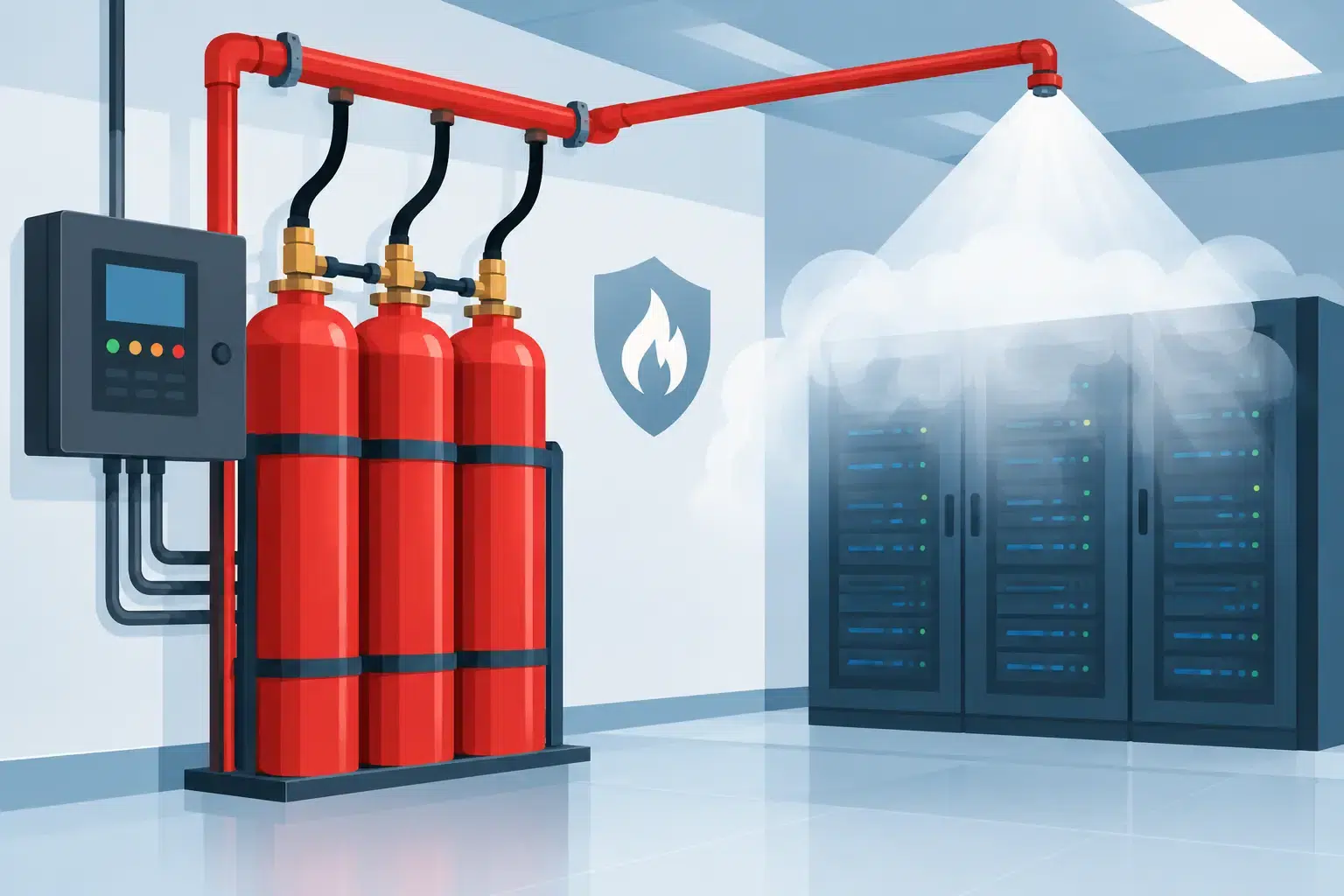
The suppression method must match the hazard. CO2 can be highly effective for certain unoccupied or controlled industrial risks, but it requires stringent life-safety measures due to its asphyxiation hazard. Dry powder can provide rapid knockdown for flammable gas and liquid fires, while water mist, foam or deluge arrangements may suit other process risks. Clean-agent or inert-gas systems can be appropriate for enclosed spaces containing sensitive electrical equipment, provided the enclosure, agent concentration and room integrity have been properly assessed.
Release controls should incorporate the necessary safeguards, including manual release facilities where appropriate, abort functions, pre-discharge warning, time delays and emergency shutdown interfaces. The exact arrangement depends on occupancy, the agent used and the governing standards. It should never be copied from another site without reviewing the local process and evacuation arrangements.
Standards, testing and ongoing confidence
For UK installations, flame detectors and associated fire detection arrangements should be selected, installed, commissioned and maintained in accordance with applicable standards, manufacturer requirements, insurer conditions and the specific fire strategy. BS EN 54-10 is relevant to flame detector product performance, while BS 5839-1 may apply to the design and management of fire detection and fire alarm systems in non-domestic premises. Suppression systems introduce further agent- and application-specific requirements.
Commissioning should prove more than cable continuity and alarm indication. It should verify detector aiming, fields of view, interfaces, cause-and-effect operation, shutdown sequences and any suppression release logic. Suitable test equipment and approved test methods are essential: an unsuitable heat source or improvised flame test does not demonstrate system performance.
Maintenance matters just as much. Optical windows can become contaminated by dust, oil mist, salt, paint overspray or insects. Site changes can create new obstructions or nuisance sources. Planned inspection, functional testing and records of any impairment help ensure the system remains aligned with the risk it was designed to address.
A practical route to reliable protection
The right system is rarely just a detector mounted on a wall. It is a coordinated arrangement that recognises the fire scenario, gives operators the right warning and triggers safe, proportionate action before damage spreads.
Active Fire Suppression Ltd can assess the detection and suppression requirements around your process, equipment and business-continuity priorities, then take responsibility from design and installation through commissioning, demonstration and ongoing maintenance. The most useful starting point is a detailed discussion of what can burn, how quickly it can develop and what must keep operating after an incident.

Leave A Comment
You must be logged in to post a comment.