

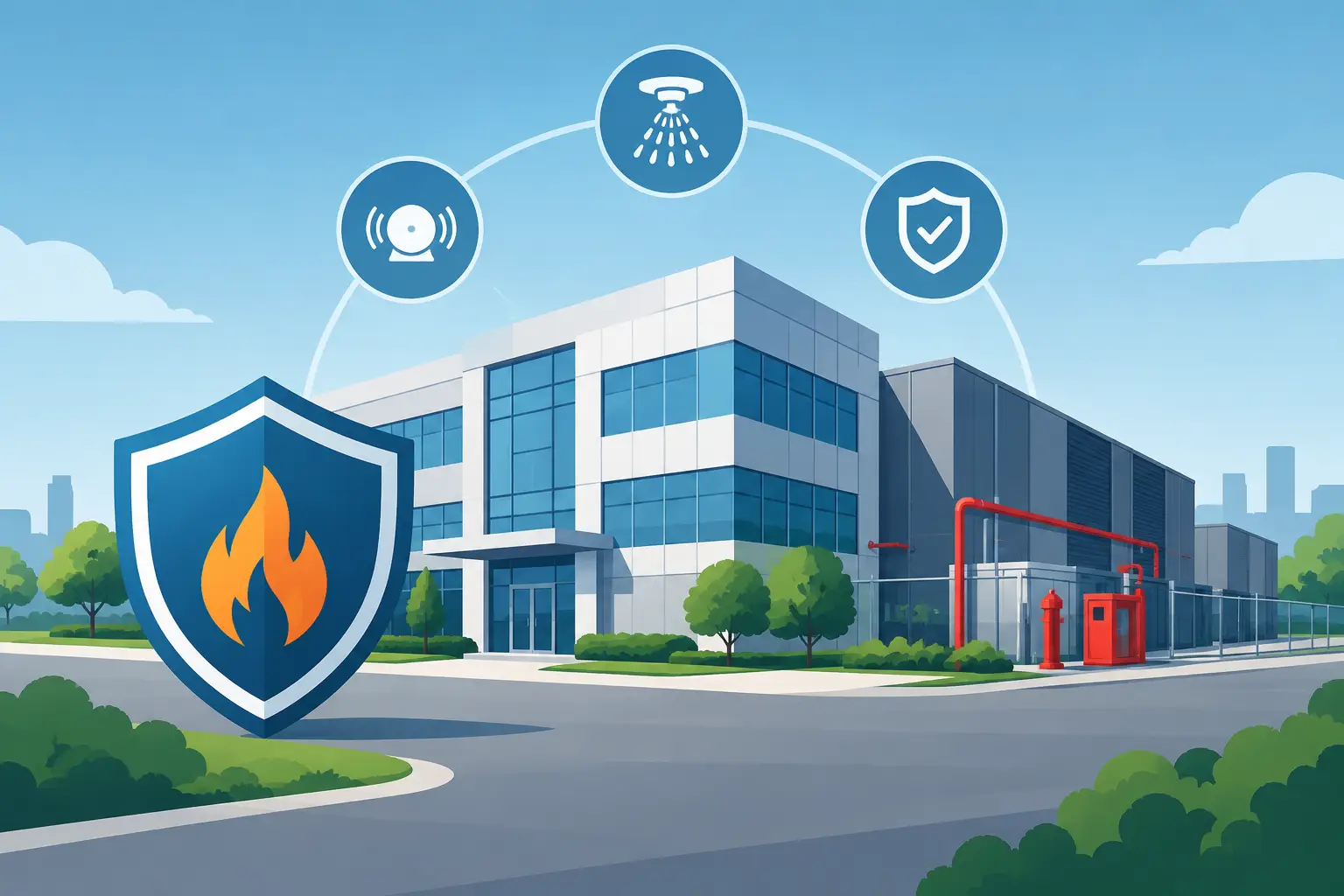
A fire in a server room, production enclosure or commercial kitchen is rarely only a fire event. It can stop operations, damage irreplaceable equipment, disrupt customers and leave a business managing an extended recovery. Fire resilience is the ability to limit that disruption: preventing ignition where possible, detecting fire at its earliest stages, suppressing it automatically and restoring the protected area with confidence.
For organisations with high-value assets or safety-critical processes, this requires more than portable extinguishers and a building-wide alarm. It requires a protection strategy designed around what must remain available, what can be damaged by water or residue, and how quickly the operation needs to recover.
What fire resilience means in practice
Fire resilience is not a single product or certificate. It is the combined performance of people, premises, detection, suppression, controls and recovery arrangements. The objective is to stop a developing incident from becoming a business-critical failure.
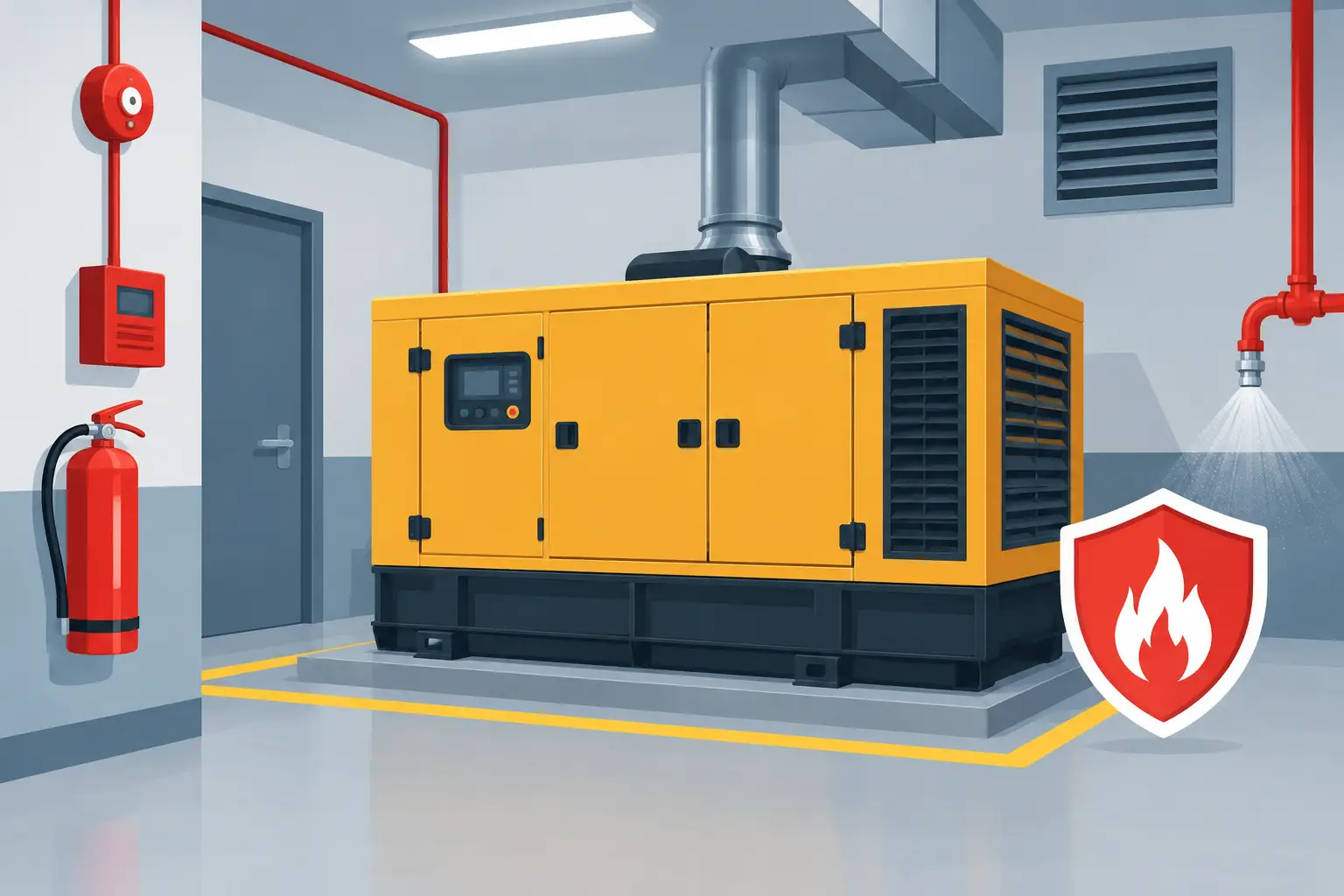
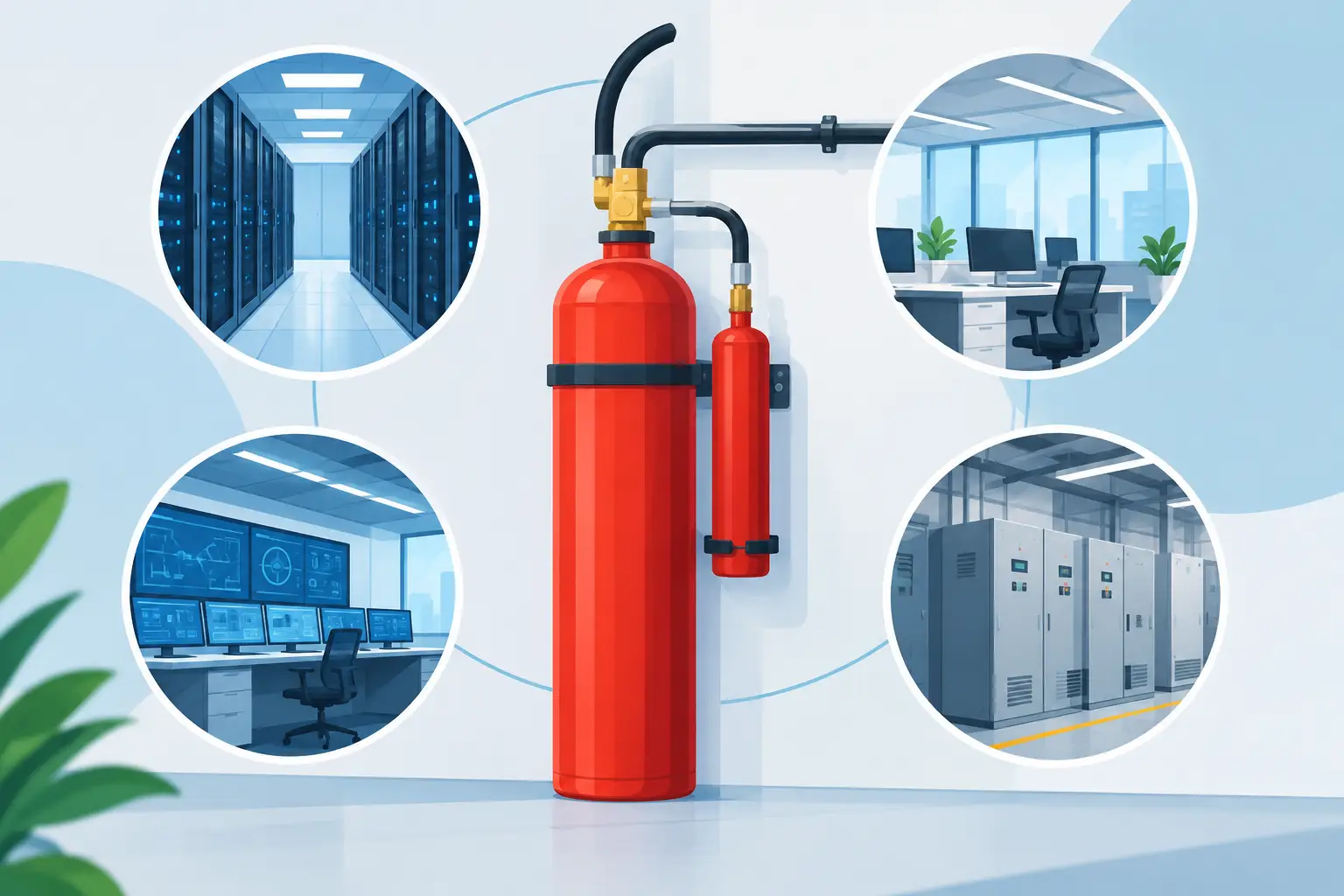
A conventional fire alarm remains essential for warning occupants and initiating evacuation. However, an alarm does not put out a fire. In areas such as data centres, UPS rooms, electrical switchrooms, control rooms, archives, laboratories and specialist machinery enclosures, waiting for manual intervention can allow heat, smoke and corrosive combustion products to cause costly damage before the fire brigade arrives.
Automatic suppression is designed to intervene at the right point in that sequence. A correctly engineered system can detect a developing event, signal the alarm, operate associated controls and discharge an extinguishing agent into the protected enclosure. The selected agent, concentration and discharge arrangement must suit the hazard, the room and its occupants. There is no one-size-fits-all answer.
Start with the consequence of failure
The first question is not which extinguishing agent to buy. It is what happens if this space is unavailable for an hour, a day or a week.
For a data centre, the primary concern may be continuity of digital services and avoiding water damage to racks, cabling and power distribution. In a manufacturing setting, it may be preventing the loss of a control system that stops a production line. In a commercial kitchen, the risk is often a fast-developing cooking-oil fire that threatens people, equipment and the ability to trade.
This consequence-led approach helps determine the required level of protection. It also exposes dependencies that can be missed when systems are considered separately. A suppression system may need to shut down air-handling plant, stop fuel supplies, release doors, signal a building management system or activate emergency ventilation after discharge. Those interfaces must be identified, designed and tested rather than assumed.
A practical fire-resilience review should consider the fire load, likely ignition sources, room volume, ventilation, equipment layout, occupancy and escape arrangements. Insurer requirements, environmental policy and contractual obligations also influence the eventual design.
Early detection buys valuable time
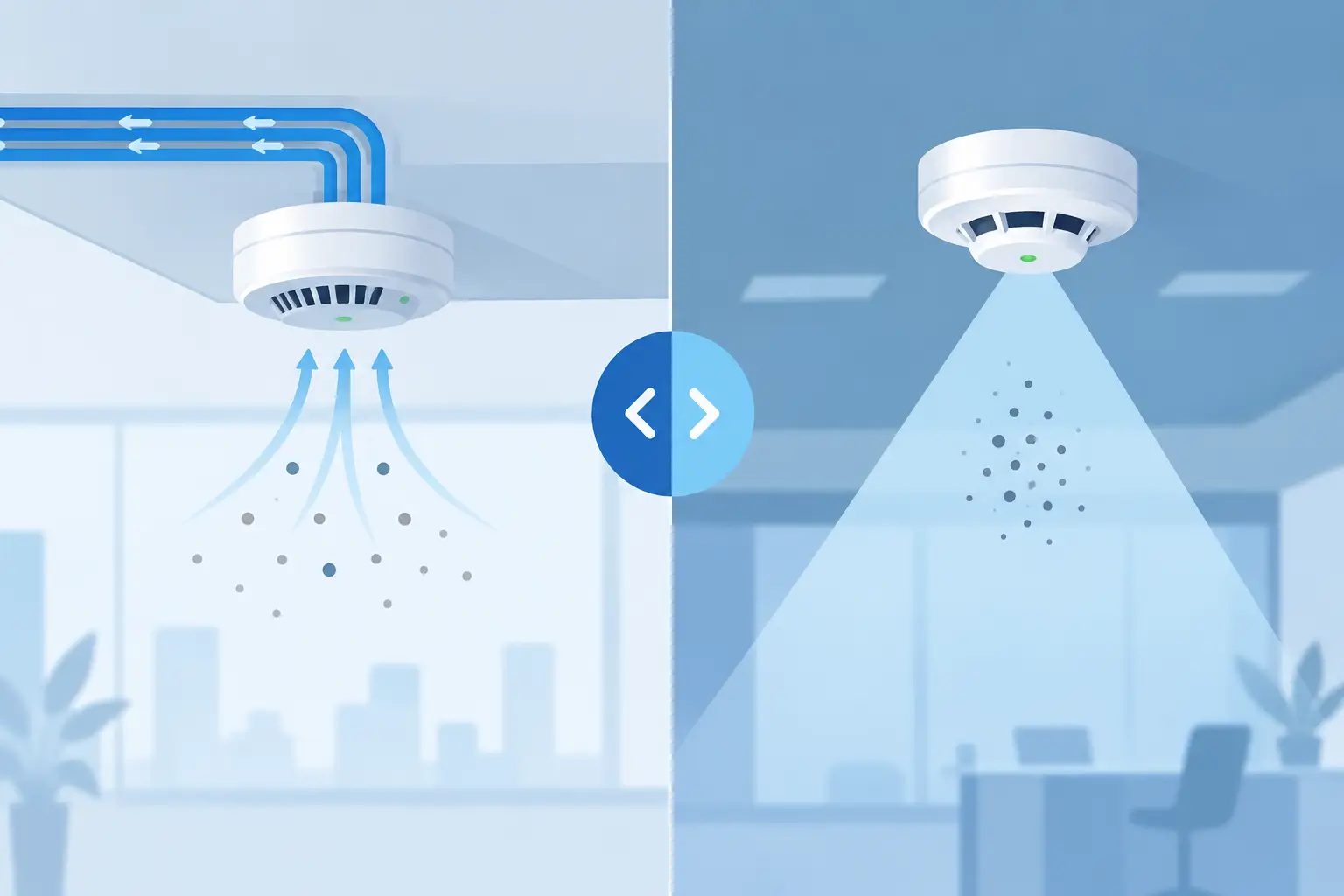
In critical environments, visible flame is often a late indicator. Electrical faults and overheating components may produce minute quantities of smoke long before a fire becomes established. Very early smoke detection apparatus, commonly known as VESDA, can sample air continuously and identify an emerging issue at a stage when investigation may prevent a discharge altogether.
That does not mean every room requires aspirating detection. Point smoke detectors, heat detection and flame detection all have appropriate applications. Flame detectors, for example, can provide rapid response where open flames or fast flame growth are credible risks, while heat detection may suit locations where normal conditions make smoke detection unsuitable.
The correct approach depends on the environment. A dusty industrial process, a high-airflow data hall and a plant room with intermittent exhaust emissions present different detection challenges. Detection should be selected and positioned to deliver meaningful warning without creating avoidable false alarms that undermine confidence in the system.
Selecting suppression around the protected risk
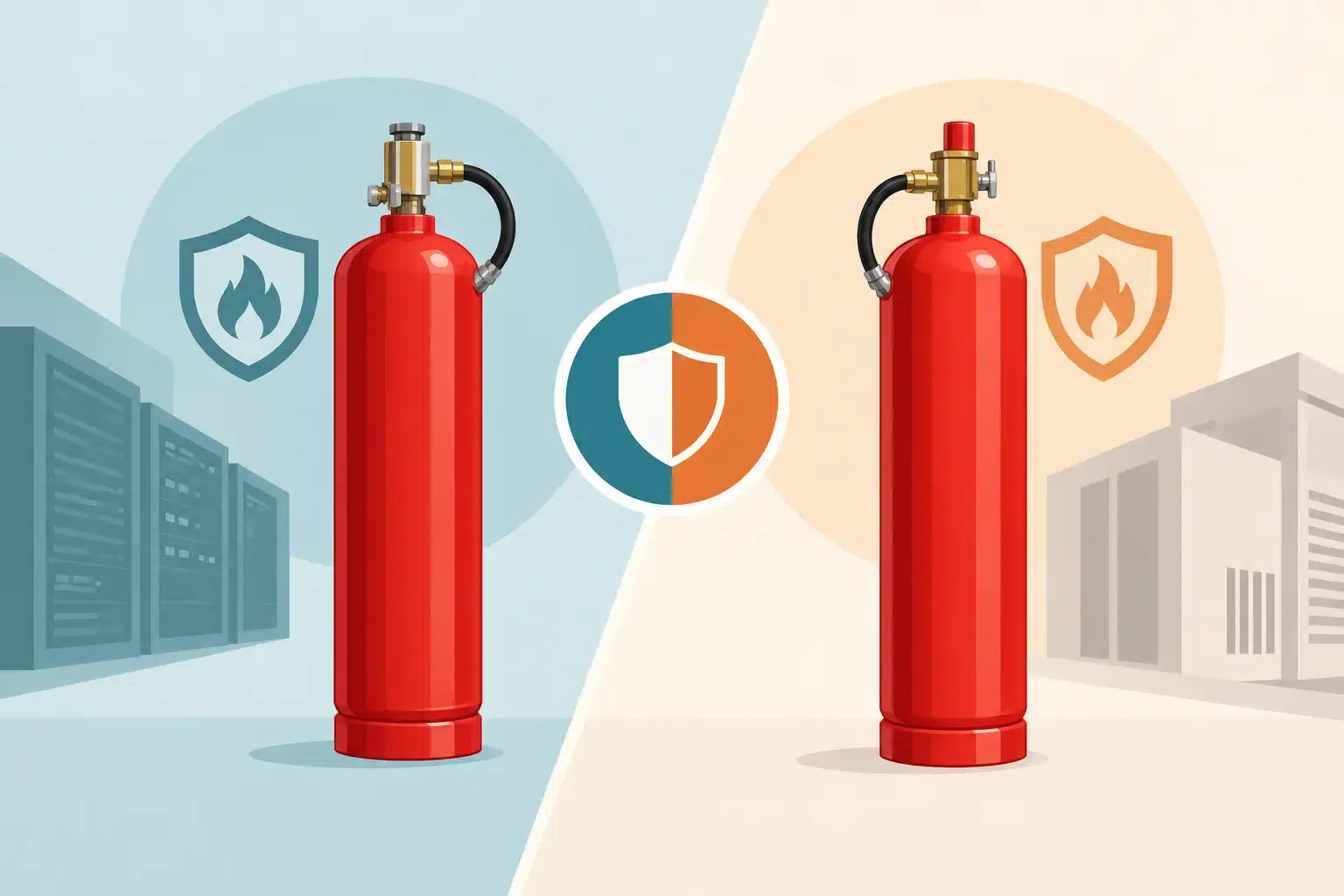
Clean-agent and inert-gas suppression systems are commonly used where water or powder would create unacceptable secondary damage. Inert gases such as IG55, IG541, IG01 and IG100 reduce oxygen within a sealed enclosure to a level at which combustion cannot continue, while maintaining conditions intended to support safe evacuation. They are well suited to many occupied critical spaces, but cylinder storage, pipework routes and room pressure management need careful consideration.
Clean agents such as Novec 1230 and HFC227ea, also known as FM200 or FE227, can offer compact storage and rapid discharge. Their suitability depends on the hazard, enclosure, applicable environmental policy and project requirements. Agent selection should not be based solely on floor area or initial cost. Long-term availability, service needs, discharge effects and insurer expectations all matter.
Carbon dioxide systems remain highly effective for certain unoccupied or controlled industrial hazards, but they demand rigorous safety measures because of the life-safety risks associated with discharge. Wet-chemical systems are purpose-built for commercial cooking risks, where they suppress flames and help prevent re-ignition in hot cooking oils. Dry-powder systems can be effective for specific process and fuel hazards, although residue and clean-up consequences must be acceptable.
The trade-off is straightforward: the fastest or most powerful extinguishing method is not automatically the best choice if it creates unacceptable risk to people, equipment or recovery. A specialist design process weighs those factors before installation begins.
The enclosure is part of the suppression system
Gas suppression relies on the protected enclosure holding the required extinguishing concentration for a defined period. Gaps around cable penetrations, doors, ceilings, dampers and service openings can allow agent to escape too quickly. Equally, a rapid discharge can create pressure changes that need controlled relief through appropriately sized over-pressure vents.
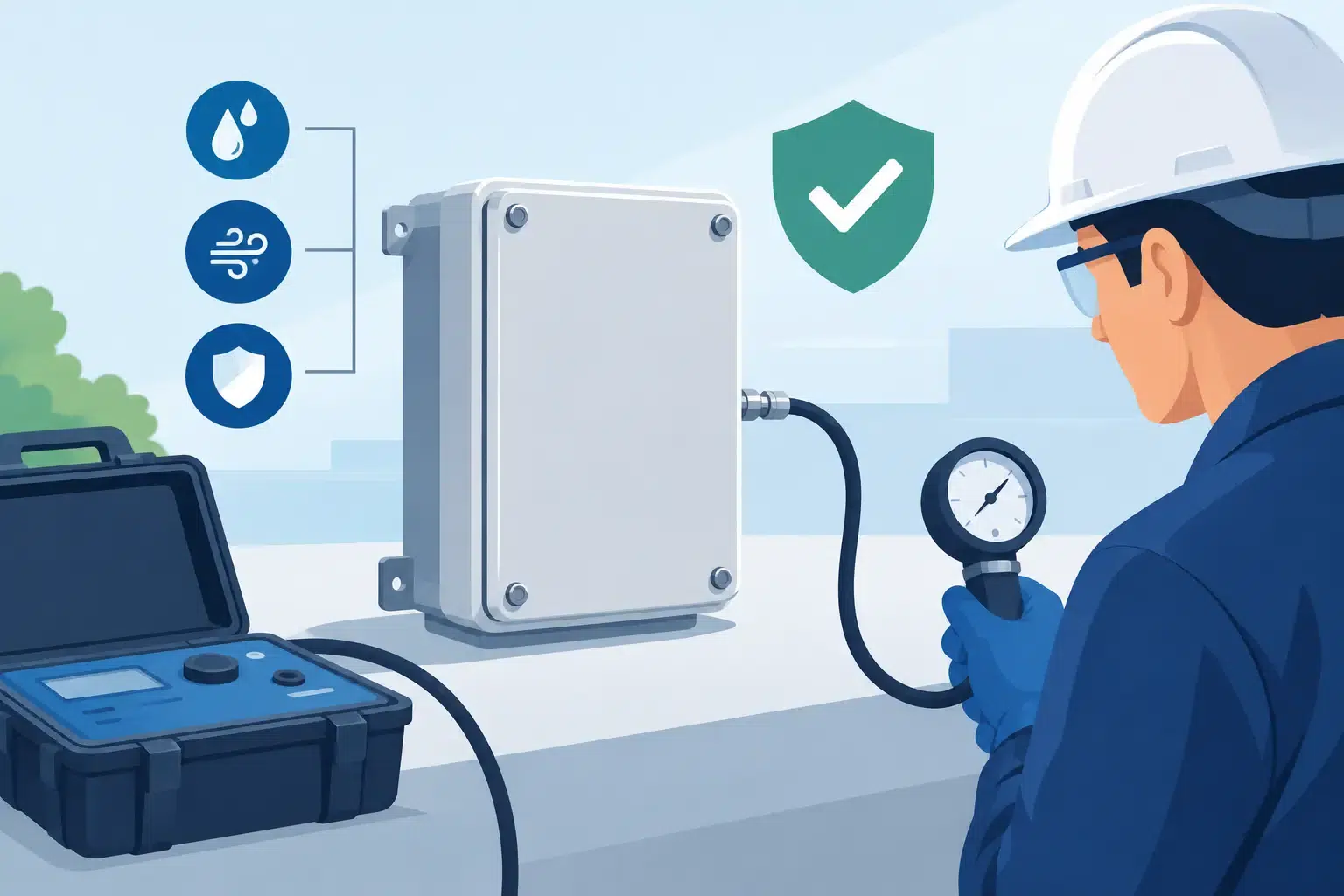
This is why room integrity testing matters. The test assesses whether the enclosure is capable of retaining the agent concentration for the required hold time without a live discharge. It is a practical way to identify leakage paths and confirm whether remedial sealing is required.
Room integrity should not be treated as a one-off handover activity. Changes made after installation, such as new cable routes, altered ceiling tiles, additional ventilation or building works, can affect performance. A fire-resilient site has a process for reviewing these changes before they compromise protection.
Commissioning proves that the system works together
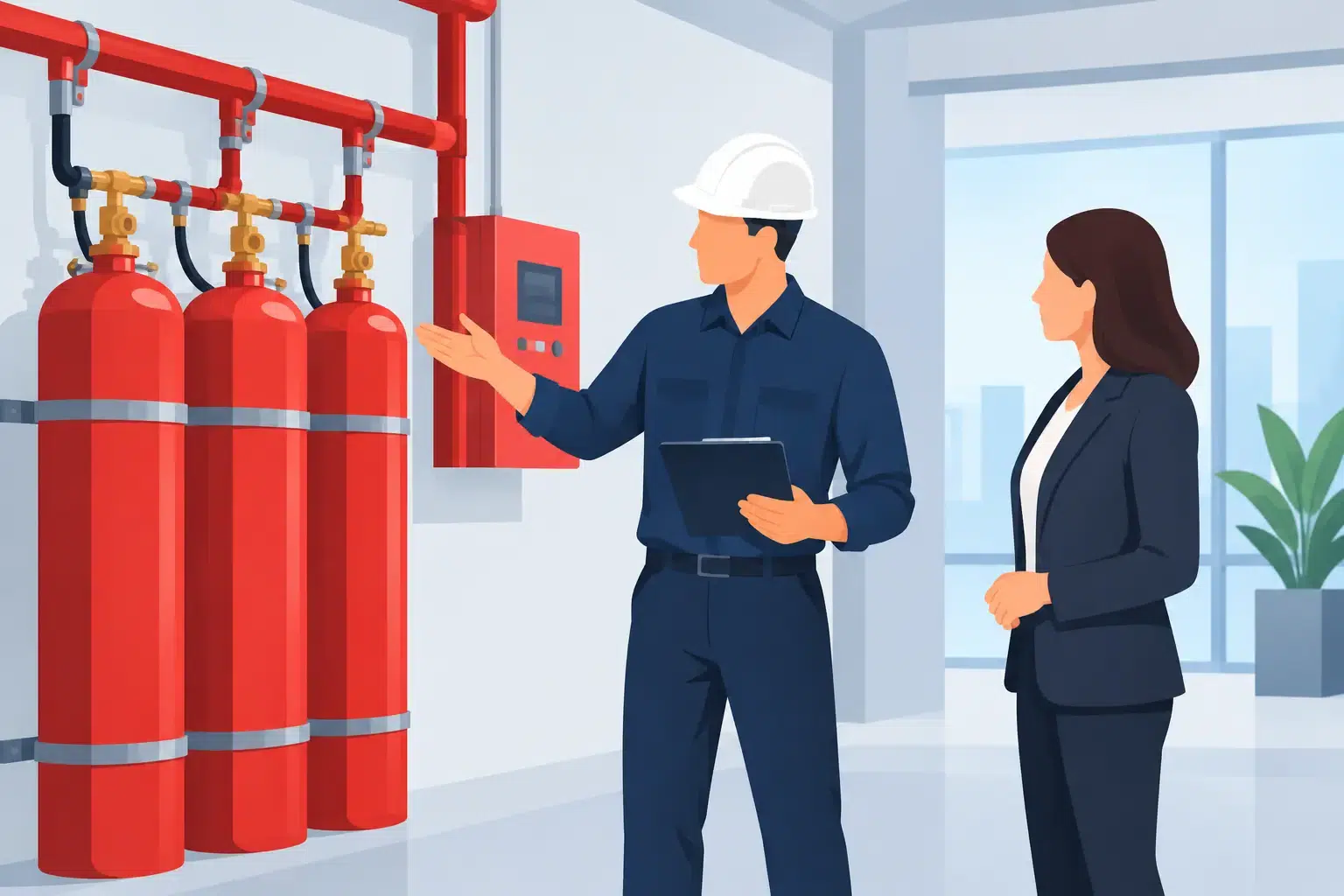
A suppression system is only as dependable as its interfaces. During commissioning, the control panel, detection zones, alarms, abort controls, manual release devices, shutdowns, dampers and signalling paths should be tested as an integrated sequence. Staff responsible for the area should understand what the warning signals mean, when they must evacuate and what happens after a discharge.
The system should be designed, installed and maintained in line with relevant standards and manufacturer requirements. For gaseous systems, this commonly includes BS EN 15004 and, where specified, NFPA guidance. The precise standard set depends on the system type, site requirements and project scope. Documentation should be clear enough for facilities and engineering teams to understand the protected risk, the operating sequence and maintenance obligations.
A demonstration at handover is valuable because it turns a technical installation into an operational capability. It gives stakeholders the opportunity to see cause-and-effect functions, clarify responsibilities and address practical questions before an emergency occurs.
Maintenance protects the investment in fire resilience
Critical protection can degrade quietly. A detector may become contaminated, a cylinder pressure may fall outside tolerance, a door closer may fail, or a contractor may create an unsealed opening during routine works. None of these issues necessarily announces itself during normal operations.
Planned inspection and maintenance identify faults before they become failures. The programme should include control equipment, detection devices, cylinders, pipework, nozzles, warning devices, manual controls, ventilation interfaces and enclosure condition. Where faults are found, prompt repair and access to replacement parts or service exchange equipment can make the difference between a short impairment and a prolonged exposure.
Facilities teams should also keep the system in view during operational change. New equipment may alter heat loads or airflow. A reconfigured server room can affect nozzle coverage. A process change may introduce a different fuel source. Fire protection needs to follow the risk, not remain fixed to an outdated layout.
Build recovery into the design conversation
Suppression limits the initial loss, but resilience also depends on what happens next. Who verifies the area is safe to re-enter? How is equipment inspected? Is there a communications plan for customers? Are spare components, temporary capacity or alternative work locations available? These are operational questions, yet they should influence the fire-protection design from the outset.
For example, a system that avoids water damage may significantly reduce clean-up and equipment replacement time, even if its upfront cost is higher. Conversely, a lower-cost option may be suitable where assets are less sensitive and recovery can tolerate a longer interruption. The right answer depends on the business consequence, not a generic specification.
The most useful next step is to discuss the specific room, process or asset at risk with a suppression specialist. A clear understanding of the hazard and recovery priority makes it possible to design protection that supports people first, then preserves the operation they rely on.
Leave A Comment
You must be logged in to post a comment.