

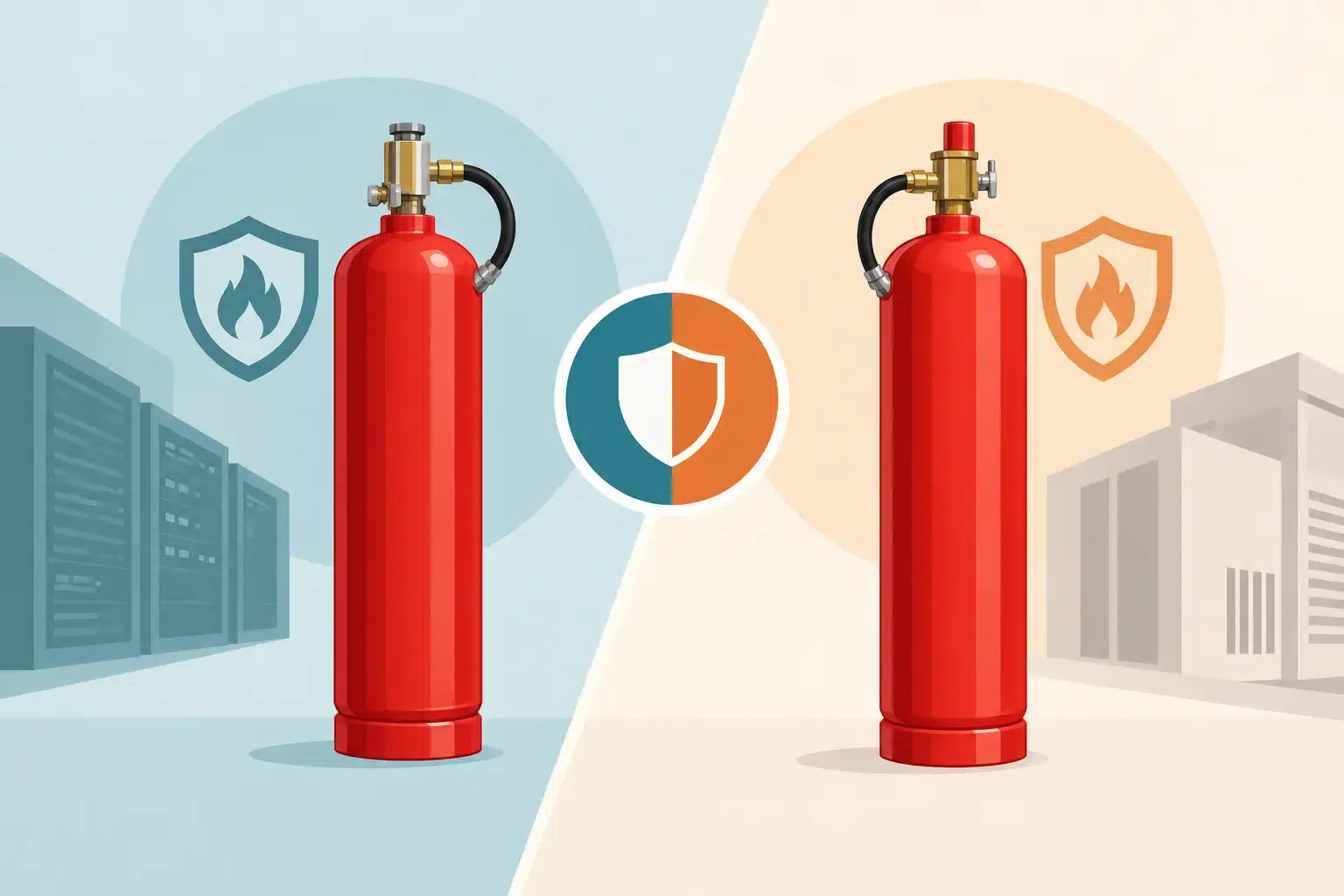
A fire in a server room, control room or electrical switchroom can cause far more disruption than the flames themselves. Water, smoke residues and a prolonged shutdown may put critical systems out of service for days. In the Novec 1230 versus FM200 decision, both agents can provide fast, automatic and residue-free suppression, but their long-term environmental position, availability and system design implications require careful consideration.
Neither agent is simply a like-for-like commodity. The right choice depends on the hazard, the enclosure, whether people may be present, the site’s environmental policy, insurer expectations and whether the project is a new installation or an upgrade to an existing system.
What Novec 1230 and FM200 have in common
Novec 1230 is the established trade name for FK-5-1-12, a clean extinguishing agent stored as a liquid and discharged as a gas. FM200 is a trade name commonly used for HFC-227ea, also known as FE-227. Both are gaseous clean agents intended for enclosed hazards where water damage is unacceptable or recovery time matters.
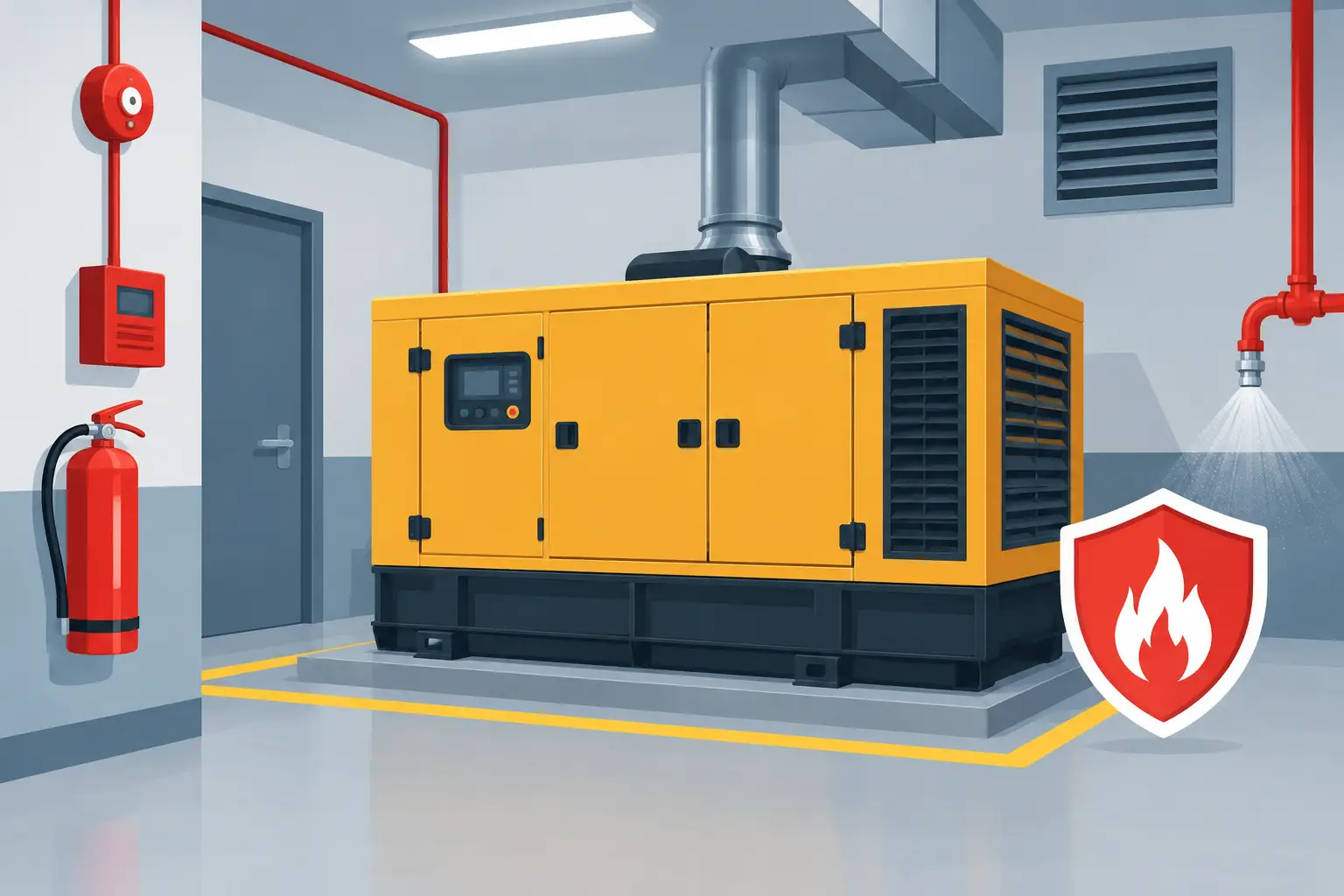
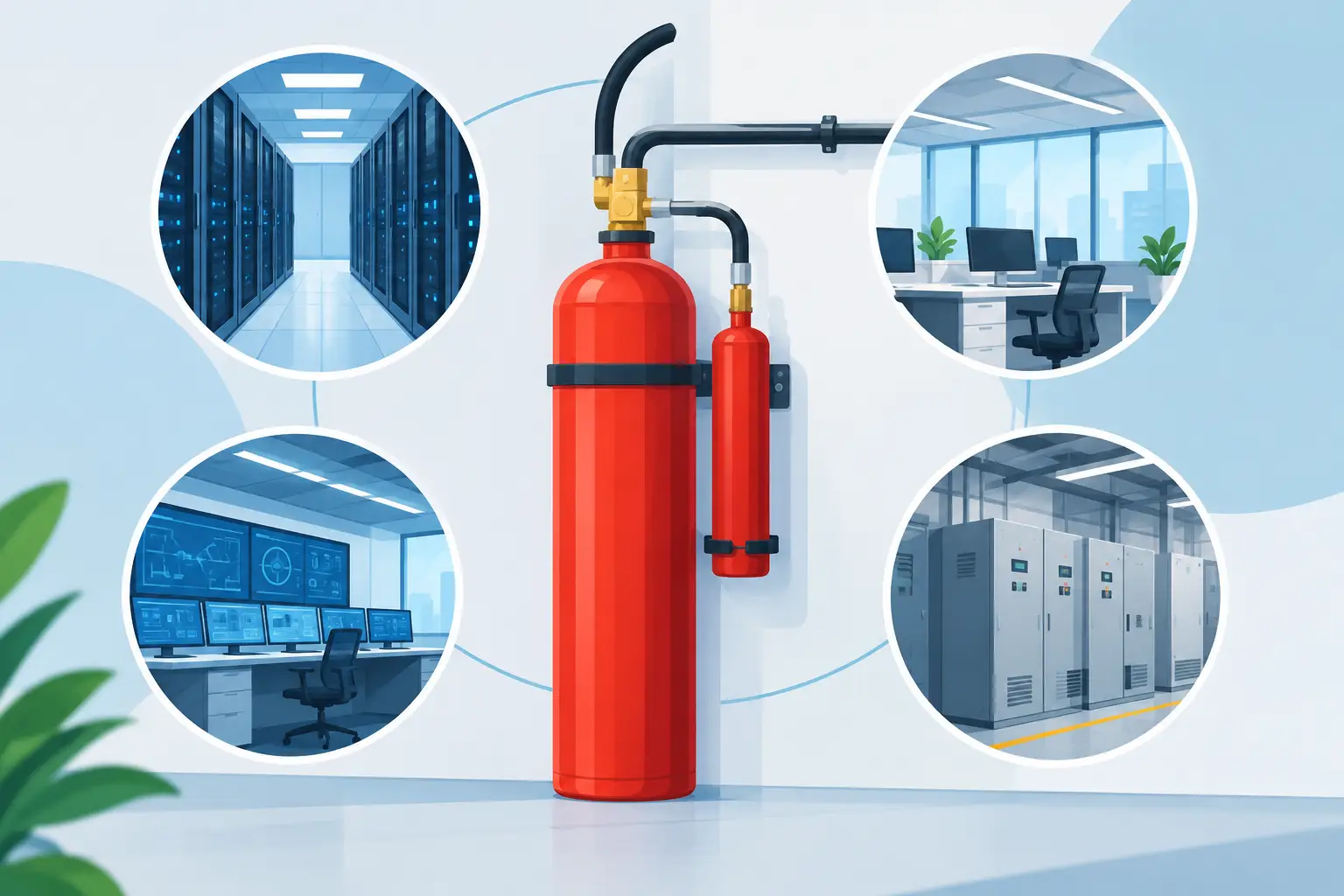
When correctly designed, each can extinguish Class A, Class B and electrical fires without leaving powder, foam or water residues on sensitive equipment. That makes both familiar choices for data centres, telecommunications rooms, archives, control rooms, UPS rooms and specialist production equipment.
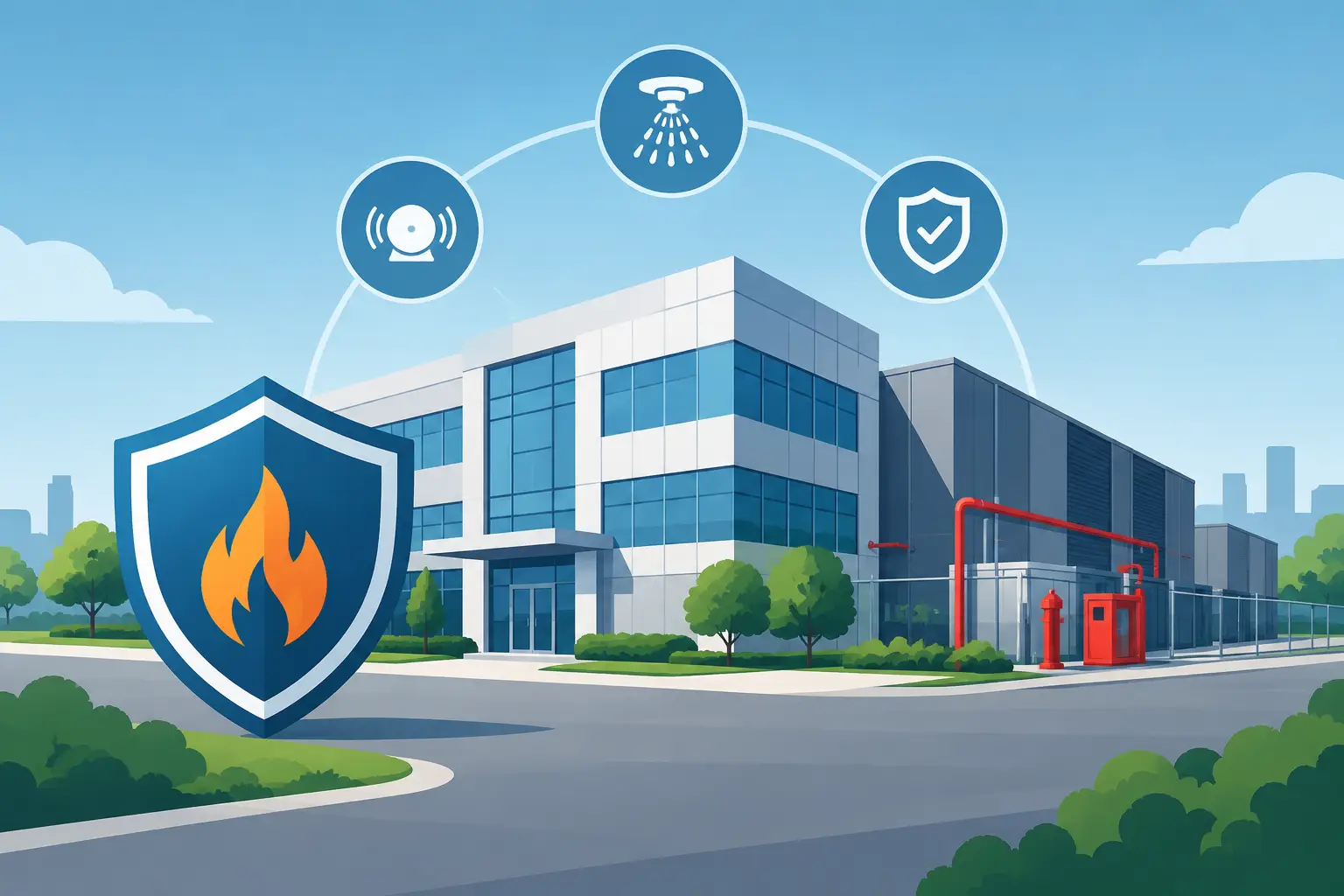
Both systems rely on early and reliable fire detection. A typical arrangement uses automatic detection, control panels, alarms, manual release and abort controls, followed by a controlled discharge into the protected enclosure. The system must also retain the agent concentration for the required hold time. Suppression cylinders alone are not a complete solution.
Novec 1230 versus FM200: the practical differences
The most visible difference is environmental profile. FK-5-1-12 has historically been selected for its very low global warming potential, zero ozone-depletion potential and short atmospheric lifetime. HFC-227ea has zero ozone-depletion potential too, but it has a substantially higher global warming potential and remains within the scope of UK F-gas controls.
For organisations with formal carbon-reduction targets, public-sector procurement requirements or strict environmental governance, that difference can carry real weight. FM200 may still be technically appropriate, particularly where an existing installation is being maintained or extended, but it should not be specified without considering future refrigerant-gas regulation, servicing arrangements and the availability of recovered agent.
There is, however, an important qualification around Novec 1230. 3M announced its intention to exit PFAS manufacturing by the end of 2025, affecting the future supply position of the Novec-branded product. This does not mean every installed FK-5-1-12 system must be removed, nor does it make the agent ineffective. It does mean new-system specifications should examine verified supply routes, manufacturer support, replacement-agent options and the client’s long-term service strategy rather than relying on historic assumptions.
This is why environmental choice cannot be reduced to a single global-warming figure. A responsible recommendation considers the agent’s lifecycle, regulatory outlook, serviceability and whether the system can be supported throughout its intended life.
Concentration, storage and people
FM200 generally requires a higher design concentration by volume than FK-5-1-12 for equivalent hazards. The final cylinder quantity, pipework arrangement and storage footprint are not determined by concentration alone, though. Room volume, ambient temperature, pipe runs, discharge time, altitude and the selected design concentration all affect the hydraulic calculation.
Both agents have established safe-use guidance for normally occupied spaces when designed within the applicable limits. Exposure limits, discharge alarms, evacuation procedures and the possibility of personnel remaining in the room must be assessed as part of the design. A suppression system protects business-critical assets, but people always take priority.
For larger rooms, sites with limited cylinder storage or enclosures with unusual pressure characteristics, inert gas may be a more suitable route. Inert agents bring their own considerations, including larger cylinder banks and pressure relief requirements. The best answer is therefore not always one of these two clean agents.
Room integrity often decides system performance
A clean-agent system must reach its design concentration quickly and hold it long enough to prevent reignition. An impressive cylinder bank cannot compensate for an enclosure with unsealed cable penetrations, open ceiling voids, poorly fitting doors or unprotected ventilation paths.
Before handover, the protected space should be assessed for leakage and, where appropriate, subjected to a room-integrity test. This provides evidence that the enclosure is capable of retaining the extinguishing concentration for the required period, commonly 10 minutes for many total-flooding applications. The required duration and design approach must always follow the relevant hazard assessment and system standard.
Over-pressure venting is equally important. When agent discharges into a sealed enclosure, pressure changes can damage walls, ceilings, doors or raised floors unless relieved in a controlled manner. Vent sizing is an engineering calculation, not an optional add-on. It should account for the agent, room construction, discharge characteristics and the building’s pressure-relief path.
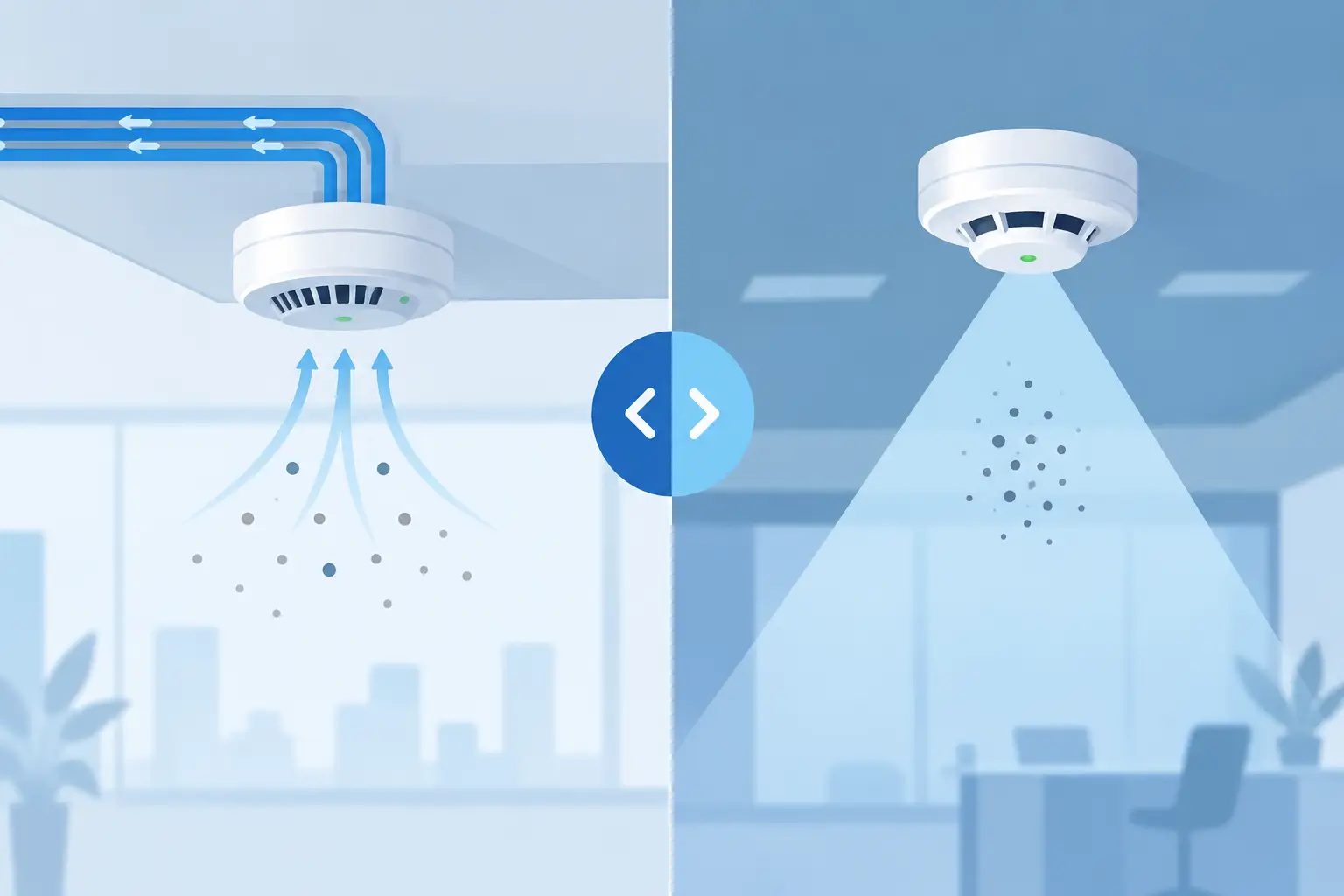
Detection design deserves the same attention. Aspirating smoke detection such as VESDA can identify incipient smoke before a visible flame develops, while conventional point detection, heat detection or flame detection may be appropriate elsewhere. For many critical rooms, cross-zoned detection helps reduce the likelihood of an unwanted discharge while preserving a prompt automatic response to a genuine fire.
Standards, commissioning and maintenance
In the UK, gaseous fire-suppression systems are commonly designed and installed in accordance with BS EN 15004, with ISO 14520 or NFPA 2001 also relevant where client, insurer or international project requirements apply. The applicable standard is only one part of the process. Agent-specific manufacturer data, hydraulic calculations, control-panel cause-and-effect logic and enclosure conditions must all align.
Commissioning should prove more than the presence of equipment. It should confirm detection inputs, alarm sequences, door releases, plant shutdowns, abort functions, manual release, discharge circuits and interfaces with the wider fire strategy. Where a live discharge test is neither required nor appropriate, the agreed verification process still needs to demonstrate that the installed system will operate as designed.
Ongoing maintenance then protects the original investment. Cylinder pressures, pipework, nozzles, control equipment, detection devices, room integrity and building alterations all need periodic attention. A new cable tray, air-conditioning change or wall penetration can compromise performance without anyone realising it.
When each option may make sense
FM200 can be a pragmatic choice where a site already has an HFC-227ea system, compatible cylinders and an established maintenance regime. Extending or replacing like for like may reduce disruption, provided the system remains compliant, agent supply and recovery options are understood, and its environmental position meets the organisation’s policy.
FK-5-1-12 has often been preferred for new clean-agent installations where low global warming potential is a primary requirement. Yet projects specified around Novec 1230 now need more detailed due diligence on product provenance and future support. Generic descriptions, unverified agent sources and assumptions about long-term availability create avoidable risk.
For either route, the specification should set out the exact agent, cylinder and valve assembly, listed or approved system components, design standard, discharge concentration, hold time, pressure-relief provision and maintenance plan. This prevents a technically different substitute being introduced late in the project.
An existing FM200 or Novec 1230 installation should also be evaluated before a wholesale replacement is considered. Active Fire Suppression Ltd can assess the condition of the equipment, room integrity, controls, detection and service history, then advise whether maintenance, refurbishment, agent strategy or a new system gives the strongest continuity outcome.
The most useful next step is a site-specific discussion that starts with the protected process rather than the cylinder label. Once the fire scenario, people, enclosure and recovery priorities are clear, the agent decision becomes a defendable engineering choice rather than a guess.


Leave A Comment
You must be logged in to post a comment.