

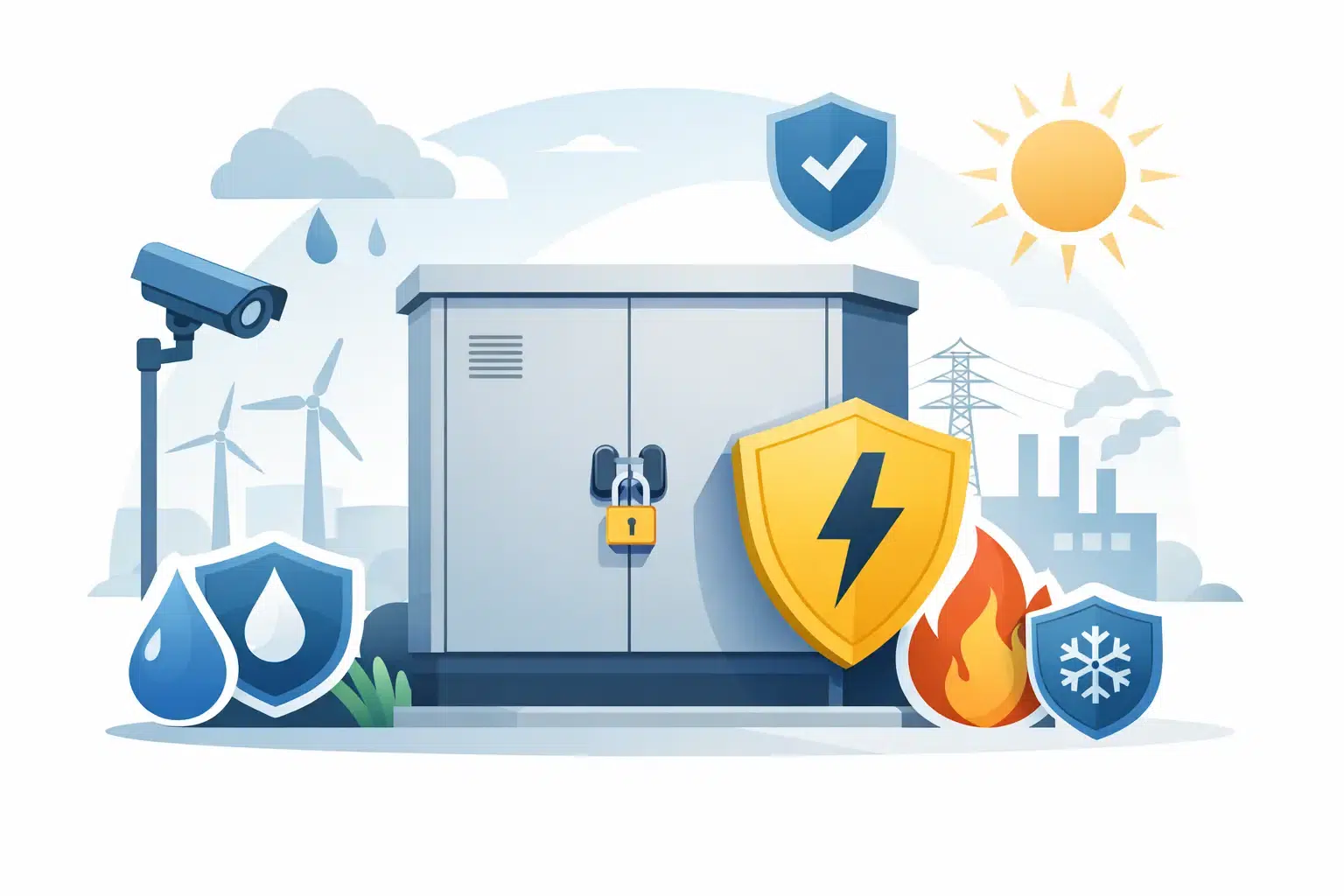
A loose connection, overloaded component or failed fan inside an electrical cabinet can become a serious incident long before anyone sees smoke in the room. The best electrical cabinet protection detects developing fire conditions early and suppresses them automatically, limiting damage to the enclosure, connected equipment and the wider operation.
For facilities with control panels, switchgear, PLC cabinets, UPS equipment or process-critical drives, a portable extinguisher and a general building alarm are rarely enough. By the time a person can investigate an alarm, a small electrical fault may have developed into a fire that destroys controls, contaminates neighbouring equipment with smoke and stops production for days.
What the best electrical cabinet protection must achieve
Electrical cabinet protection is not simply about extinguishing flames. It is about controlling a fault at its point of origin while avoiding unnecessary interruption to the equipment and people around it.
A suitable system should provide dependable automatic detection, a suppression agent appropriate for energised electrical risks, and carefully agreed control actions. Those actions may include isolating selected equipment, stopping ventilation or sending an alarm to a monitored location. The correct sequence depends on what the cabinet controls and how safely it can be shut down.
For a data or communications cabinet, residue-free suppression and avoiding water damage may be the priority. In a manufacturing environment, the key question may be whether an individual drive panel can be isolated without stopping an entire production line. For large switchrooms, protecting the room as a whole can be more practical than fitting suppression to each cabinet.
The best solution therefore depends on the enclosure, the fire load, the site occupancy, the consequences of a shutdown and the insurer’s requirements. Product choice should follow risk assessment and design, rather than being selected from a standard package.
Start with the source and consequence of fire
Most cabinet fires begin with a relatively small fault. Common causes include loose or deteriorated connections, arcing, overloaded circuits, component failure, insulation damage, dust build-up, inadequate cooling and unauthorised alterations. Lithium-ion battery systems and chargers require separate consideration because their fire behaviour and re-ignition risk differ from conventional electrical faults.
The consequences extend beyond the damaged panel. Smoke can travel through cable routes and air-handling systems. Corrosive combustion products can affect electronics elsewhere in the building. Water used by first responders or an automatic sprinkler system may protect life and the building, yet still leave sensitive control equipment unavailable.
A practical survey should establish what the cabinet contains, whether it is normally energised, how heat is removed, where cables enter, and whether nearby materials could contribute to a fire. It should also consider who may be in the area at the point of discharge. This is particularly relevant where gaseous agents are being considered.
Detection needs to act before flames are visible
Smoke detection in the room provides valuable life-safety warning, but it may not identify a developing cabinet fire soon enough to prevent significant damage. Detection closer to the risk can give earlier indication of overheating, smoke or flame within an enclosure.
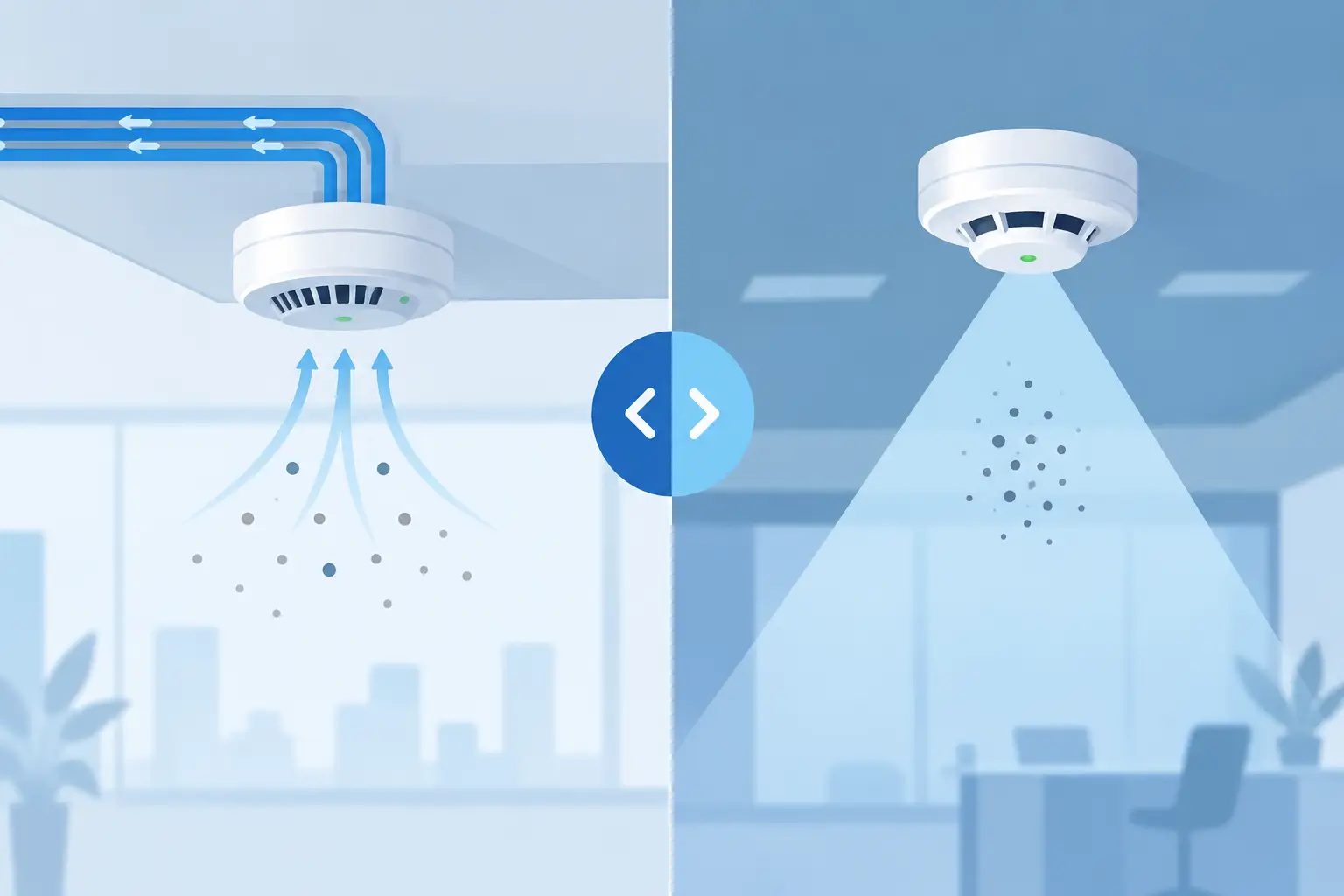
The right method depends on the cabinet and environment. Thermal detection may suit high-dust industrial areas where nuisance alarms are a concern. Smoke detection can provide earlier warning in cleaner electrical or IT settings. Aspirating smoke detection, including VESDA systems, can be particularly effective in high-value technical rooms where very early warning is required. Flame detection may also have a role where rapid, visible flaming fire is a credible risk.
Detection should be designed as part of a cause-and-effect strategy. A first-stage alarm might alert facilities staff and initiate investigation, while a confirmed fire signal starts a time delay, sounds warning devices and releases suppression. In some applications, detection can also initiate a controlled shutdown of the affected equipment.
False alarms matter. An overly sensitive system that repeatedly disrupts operations will quickly lose the confidence of site teams. Equally, a system configured to wait for an unmistakable fire may react too late. The balance should reflect the environment and the true cost of an unwanted discharge versus an uncontrolled cabinet fire.
Choosing an extinguishing agent for electrical cabinets
Clean agents for sensitive equipment
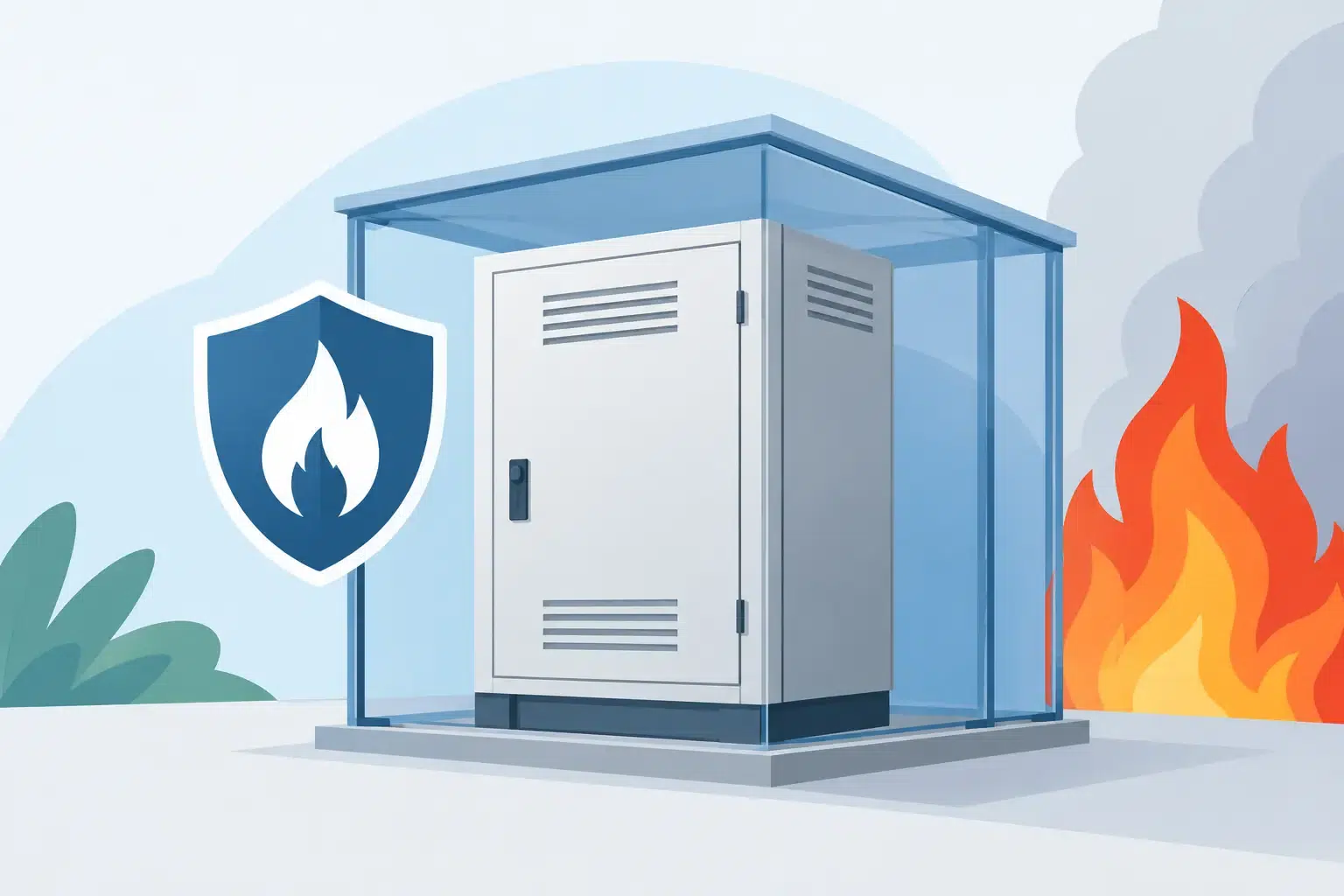
Clean-agent systems are often selected where electrical and electronic assets must remain free from water and powder residue. Agents such as HFC227ea, also known as FM200 or FE227, can extinguish fire rapidly without leaving deposits on sensitive equipment. They are commonly considered for enclosed technical spaces and, where appropriate, cabinet-focused applications.
Agent selection should account for current environmental policy, system availability, the expected service life of the installation and client sustainability requirements. A technically capable system still needs to meet the organisation’s longer-term operational and environmental objectives.
Inert gas for protected rooms
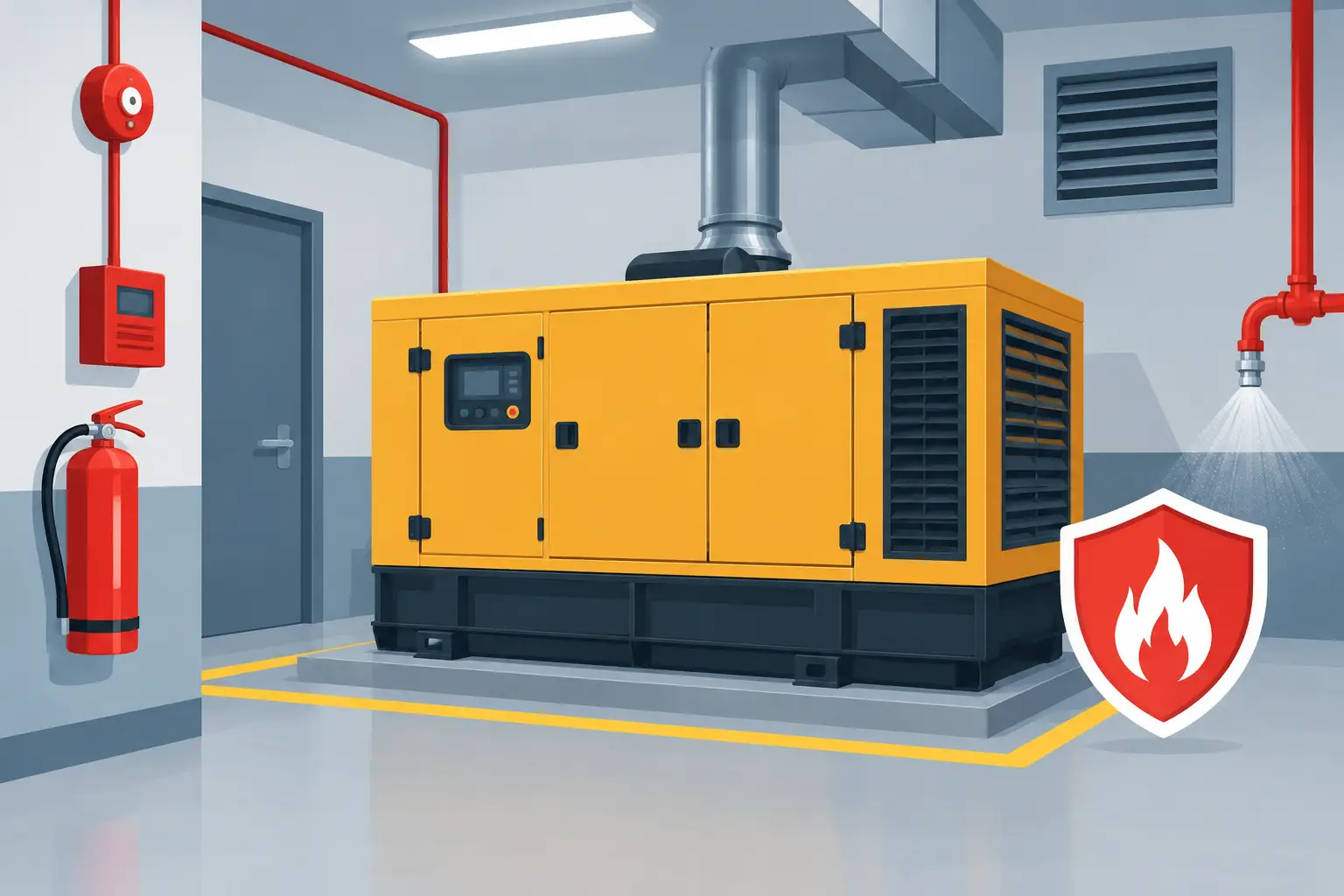
Inert gas systems using IG55, IG541, IG01, IG100 or INERGEN® are commonly used to protect entire electrical rooms, switchrooms and data environments. They reduce oxygen concentration to a level that will not sustain combustion while supporting a managed evacuation approach for occupied areas.
These systems are usually most suitable when several cabinets, cable routes and ancillary equipment share one enclosed space. They rely on the room being sufficiently sealed to hold the extinguishing concentration. Room-integrity testing and, where required, over-pressure relief are central parts of the design, not optional extras.
CO2 and dry powder where the risk demands it
CO2 can be highly effective on certain electrical and industrial hazards, particularly in unoccupied or controlled areas. However, it presents significant life-safety considerations and must be designed with appropriate safeguards, warning arrangements and operating procedures. It is not a default choice for a cabinet in an occupied workplace.
Dry powder offers fast knockdown for specific industrial risks but leaves residue that can be difficult to remove from electrical equipment. It may be appropriate where stopping fire spread is the overriding concern, but it is seldom the preferred option for cabinets containing sensitive electronics.
Make suppression part of the cabinet’s operating logic
An electrical cabinet does not operate in isolation. Its fans, cable routes, power supplies, building management interfaces and connected machinery all affect how a fire develops and how the site recovers.
For example, leaving cabinet ventilation running after agent release may undermine suppression performance. Conversely, automatically removing power from a critical system without a planned sequence can create a different safety or business-continuity problem. A data centre may need staged shutdown arrangements, while a process plant may need selected controls to remain live long enough to place machinery in a safe condition.
The system design should clearly define what happens at pre-alarm, confirmed fire, discharge and post-discharge stages. It should cover local warning, fire-alarm integration, remote alarm monitoring, equipment isolation, ventilation controls and reset procedures. Facilities, operations, IT and health-and-safety teams should all understand and agree these actions before commissioning.
A practical specification checklist
When comparing options for electrical cabinet protection, ask the designer to address these five points:
- What ignition sources and combustible materials are present within and around the cabinet?
- Is the objective to protect one enclosure, a group of cabinets or the entire room?
- Can the selected agent be safely used where people may be present?
- What equipment must be isolated, and what must remain available during a controlled shutdown?
- How will the system be inspected, tested and maintained throughout its working life?
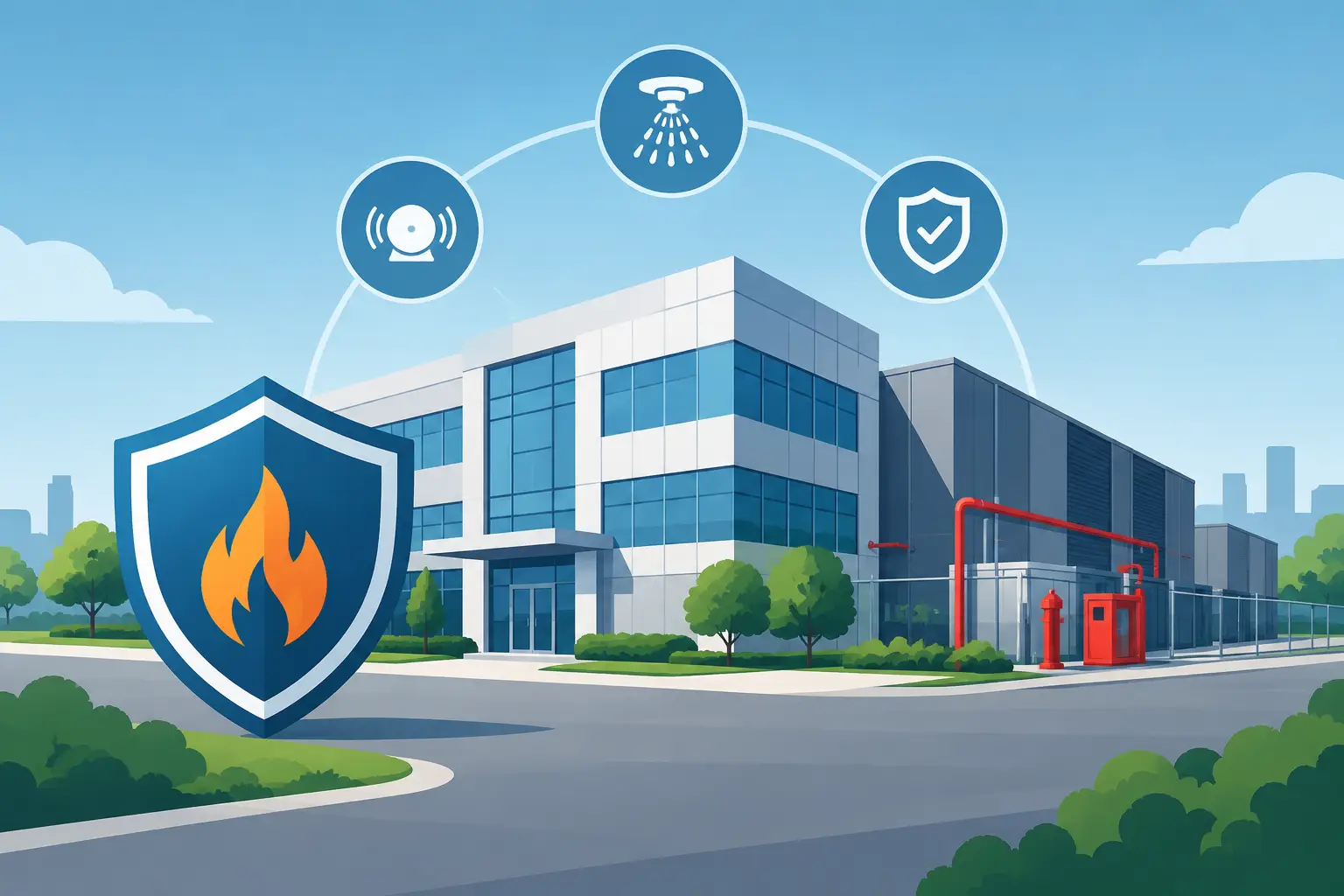
A specification should also identify the applicable British and European standards, relevant insurer guidance and any client engineering standards. For gaseous suppression, this includes confirming enclosure integrity, discharge concentration, hold time and pressure-relief requirements where applicable. A system should be engineered, installed, commissioned and demonstrated as one coordinated fire-suppression solution.
Maintenance protects the investment in continuity
A cabinet suppression system cannot be treated as fit-and-forget equipment. Changes to cabinet contents, cooling arrangements, cable entries or room layouts can alter the original fire risk and affect system performance.
Planned maintenance should verify detector operation, control-panel status, warning devices, release circuits, agent condition and interfaces with plant or fire alarms. Site teams should also know how to recognise faults, prevent accidental discharge and respond after an activation. Where room-based gaseous systems protect electrical cabinets, periodic room-integrity testing remains essential after building works or alterations.
Records matter as much as inspection activity. Clear maintenance documentation supports insurer discussions, demonstrates responsible management and gives engineers an accurate basis for repairs, upgrades and future expansion.
The most useful next step is to examine the cabinet in its operational setting rather than selecting an agent in isolation. A properly engineered design can protect the equipment that keeps your site running, while giving your people a clear and safe response when a fault develops into fire.
Leave A Comment
You must be logged in to post a comment.