

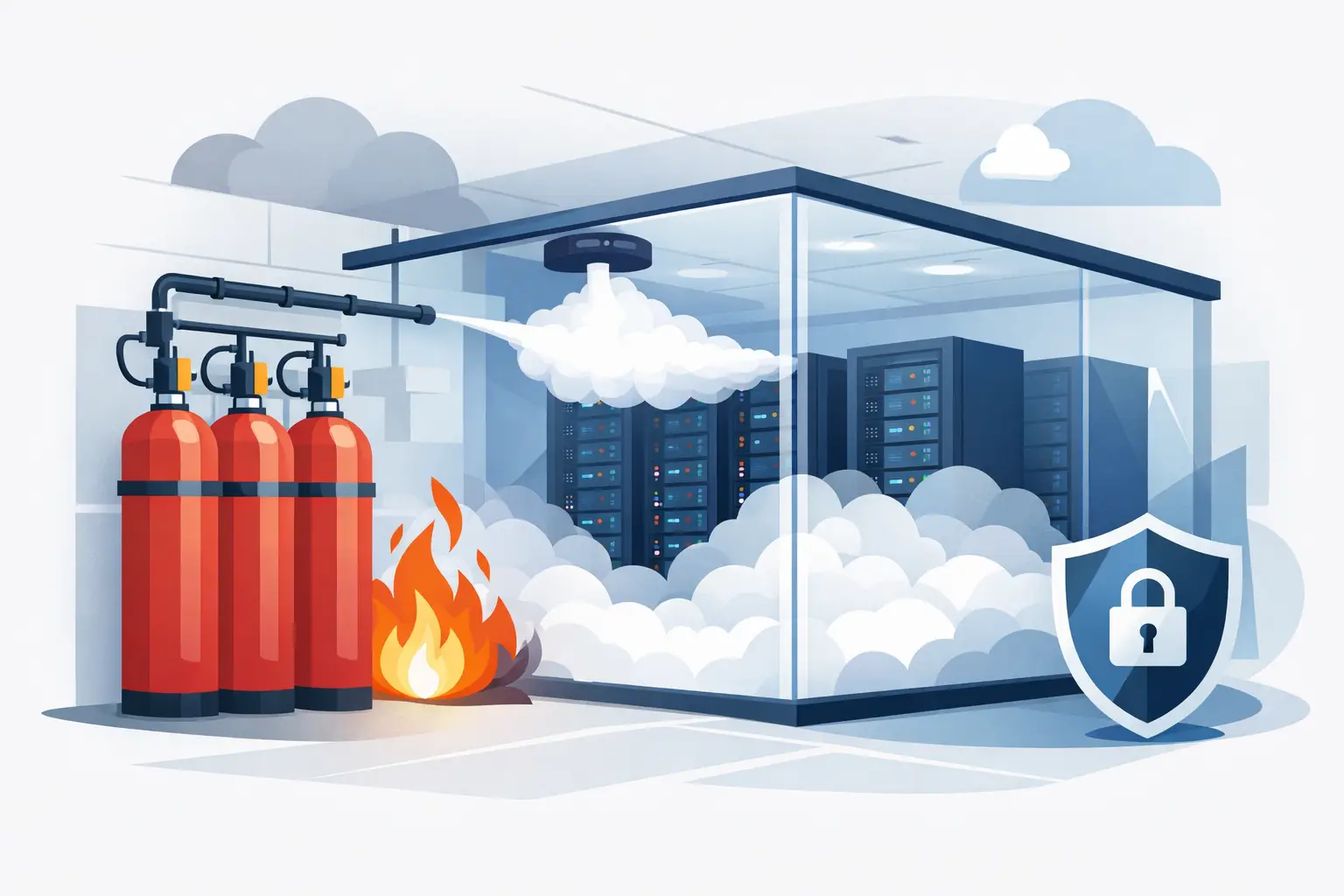
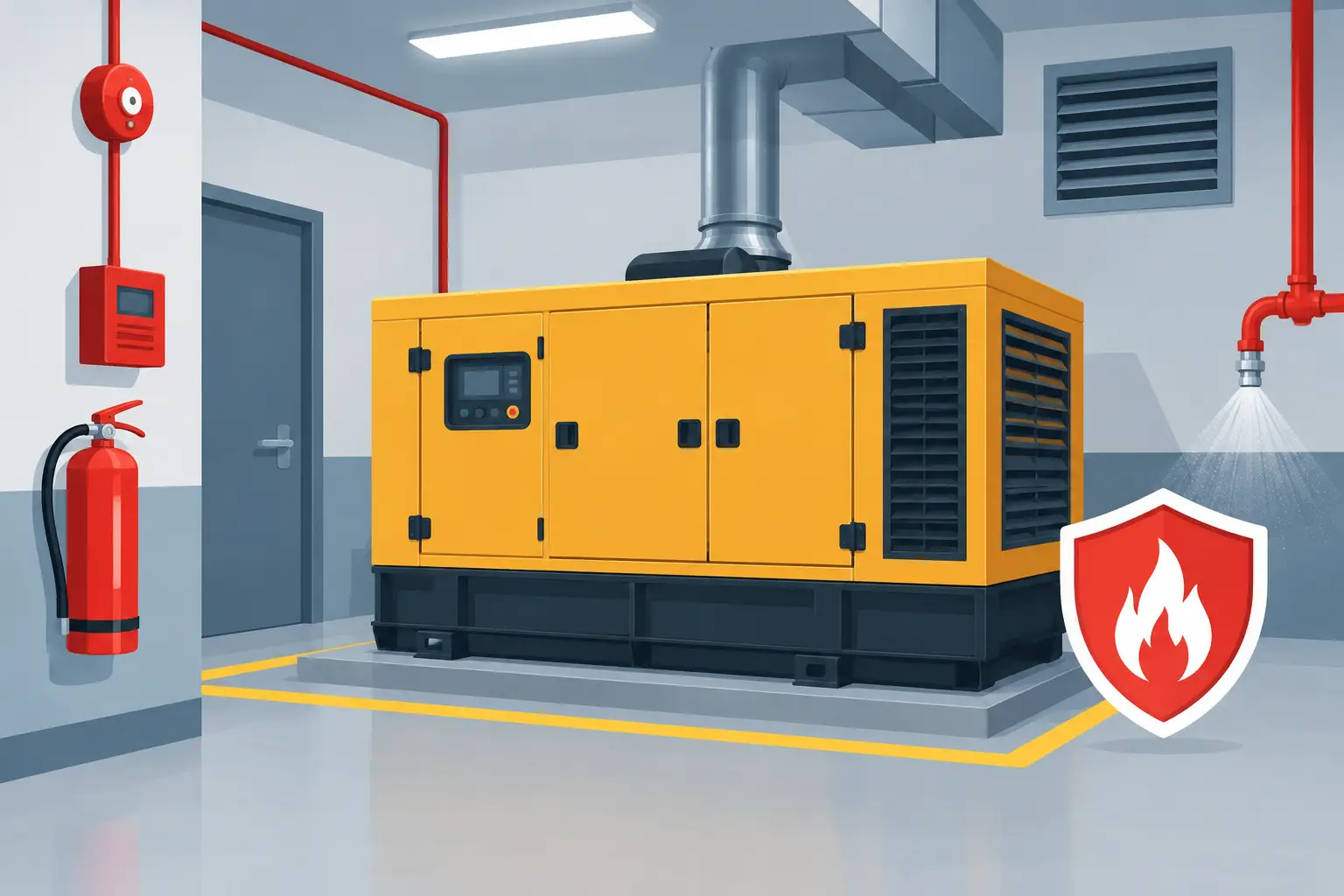
A small electrical fault in a server room, control room or production enclosure can become a major operational event long before flames cause structural damage. Smoke contamination, water from sprinklers and prolonged shutdown can be enough to interrupt critical services. Inert gas suppression systems are designed for these environments: they detect a developing fire, release a clean gaseous agent and extinguish it without leaving residue on high-value equipment.
They are not a substitute for good housekeeping, electrical maintenance or a suitable fire strategy. They are a targeted engineering solution for spaces where the consequences of water damage or extended recovery are unacceptable.
What inert gas suppression systems do
Inert gas systems suppress fire by reducing the oxygen concentration within a protected enclosure below the level needed to sustain combustion. The agent is stored in high-pressure cylinders and discharged through a designed network of pipework and nozzles when the fire detection and control system confirms an alarm condition.
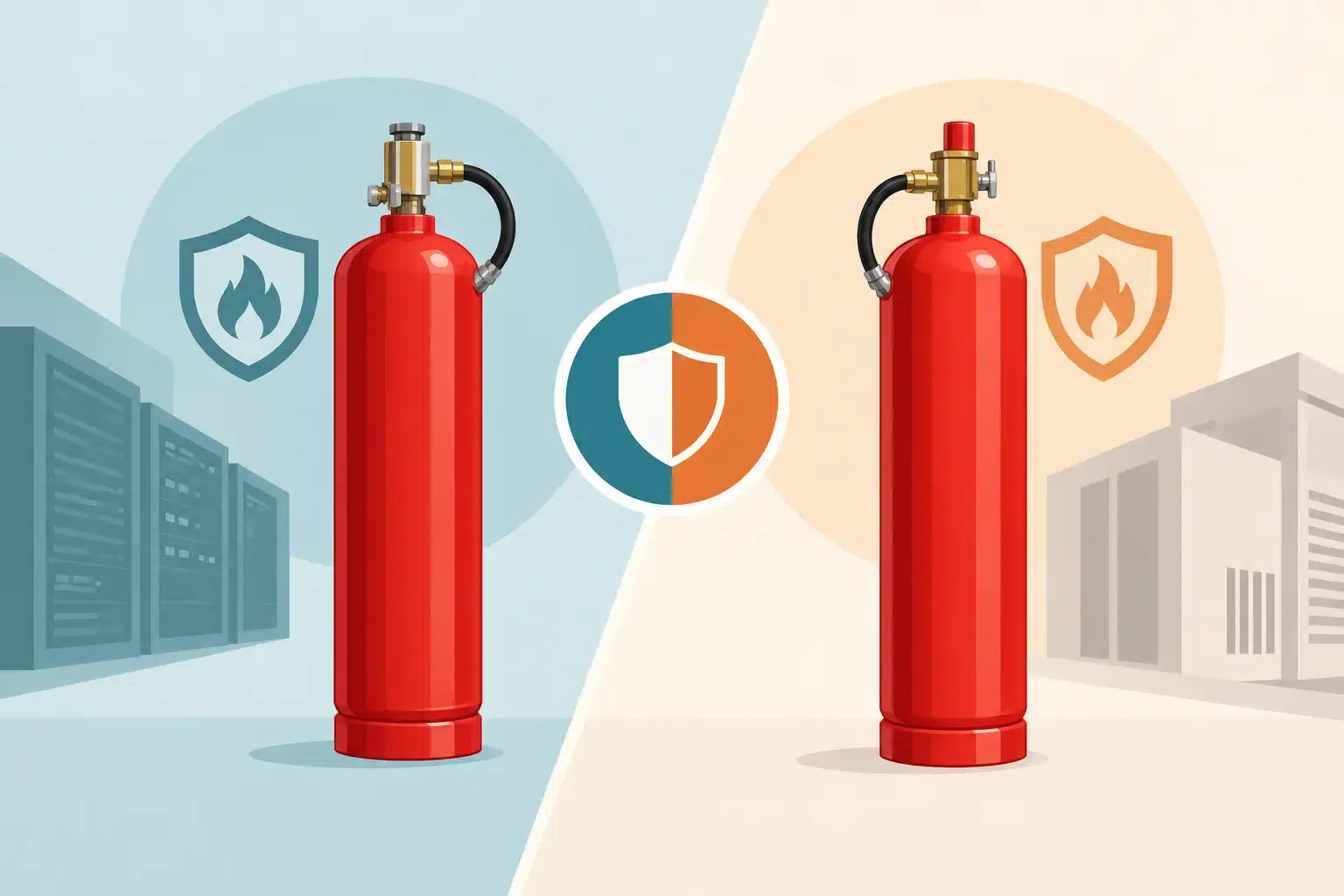
The gases used are naturally occurring components of the atmosphere. Common options include IG55, a blend of nitrogen and argon; IG541, also known as INERGEN®, which combines nitrogen, argon and carbon dioxide; IG01, argon; and IG100, nitrogen. Each has distinct storage, flow and design characteristics, so agent selection should follow a proper assessment rather than a preference for one cylinder arrangement over another.
Unlike water-based suppression, inert gas leaves no residue to clean from servers, electrical panels, turbines, archives or sensitive process equipment. That can materially reduce recovery work after a discharge. However, clean-up is only one part of the decision. The enclosure must retain the extinguishing concentration for long enough, the pressure effects of discharge must be managed, and people must be protected through appropriate controls and procedures.
Where inert gas systems are a strong fit
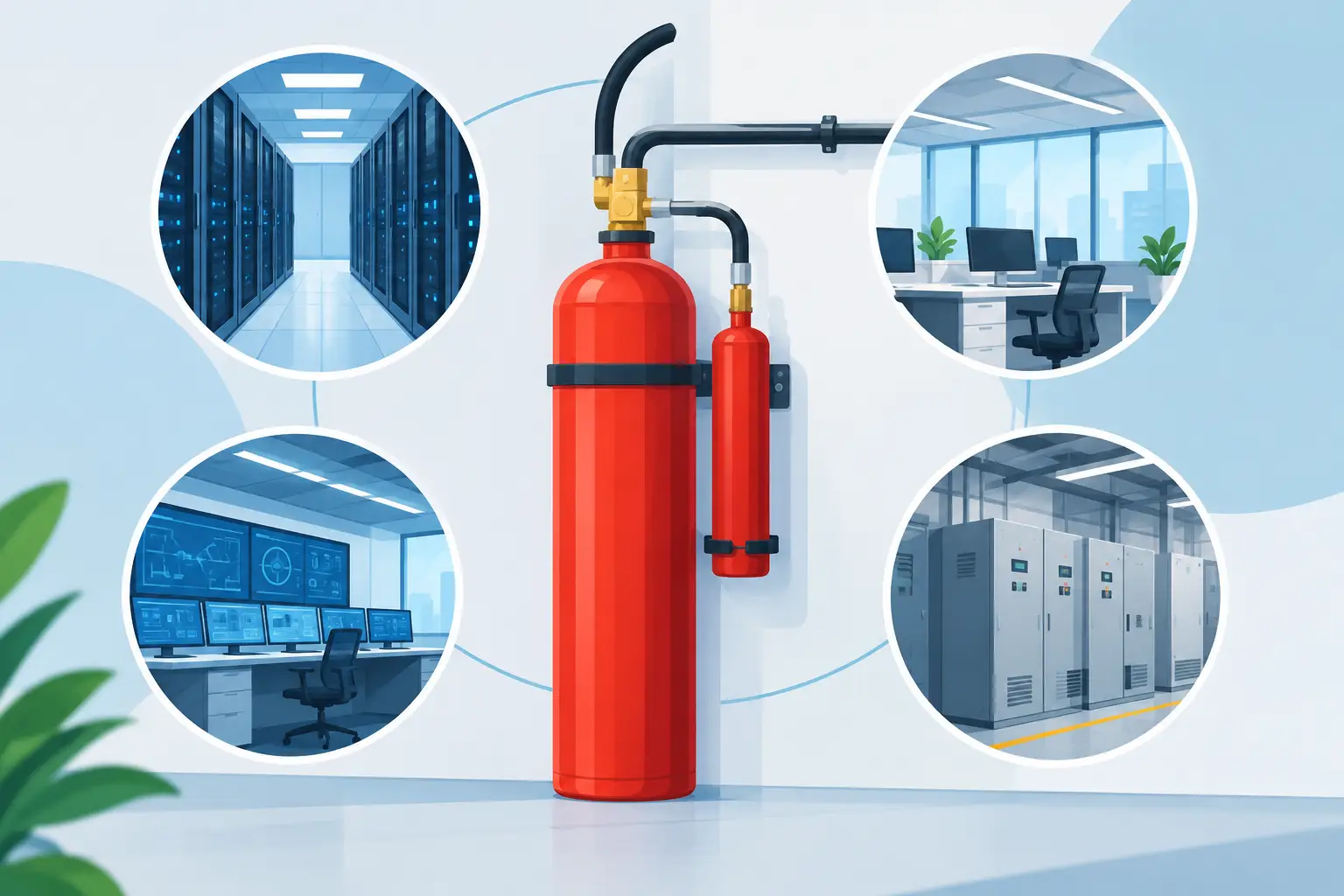
Inert gas suppression is commonly specified where a fire must be controlled quickly but water or foam would create disproportionate secondary loss. Data centres and server rooms are familiar examples, but the same principle applies to telecoms rooms, switchgear spaces, control rooms, laboratories, heritage archives, industrial process enclosures and certain battery-related risks.
The right application depends on the risk. An inert gas system works best in a reasonably enclosed room or hazard volume where the fire type is understood and the space can be sealed to a defined standard. It may be less suitable for large open areas, spaces with persistent open doors, hazards involving deep-seated materials that can re-ignite, or processes where the enclosure cannot be maintained.
For some risks, another suppression approach may be more appropriate. A commercial kitchen calls for wet chemical protection; a localised machinery hazard may benefit from a dedicated dry-powder or carbon dioxide solution where occupancy and safeguards permit; and some rooms may be better served by another clean agent. The objective is not to fit a preferred system, but to select an agent and system arrangement that addresses the actual fire scenario, people in the area and the business impact of an incident.
Detection and release must work as one system
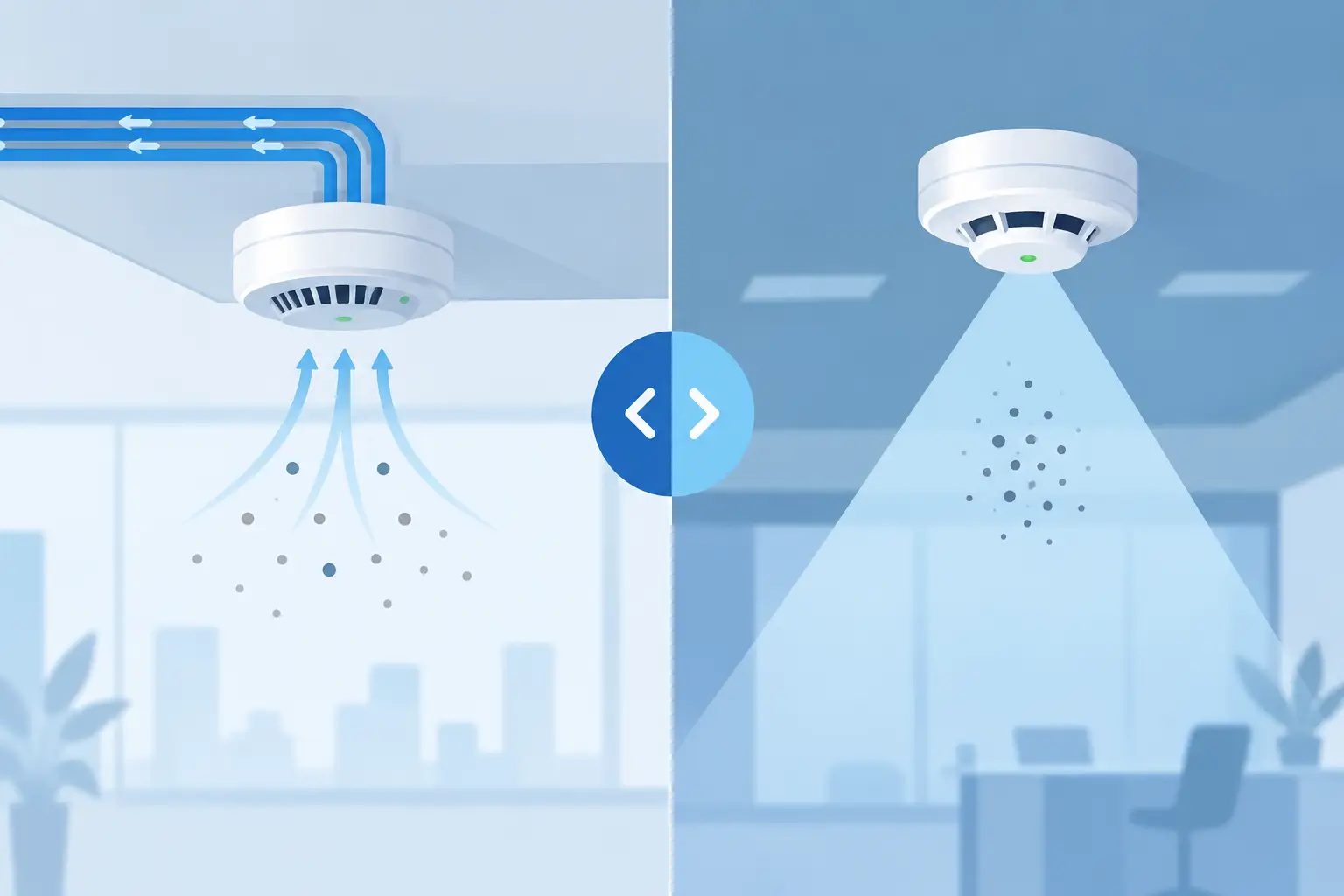
An inert gas installation is more than cylinders and pipework. Automatic detection provides the early warning needed to intervene before a small fire develops into a room-wide event. Depending on the risk, this can include point smoke detection, aspirating smoke detection such as VESDA, heat detection or flame detection.
For critical rooms, cross-zoned detection is often used to reduce the likelihood of an unwanted discharge. In practical terms, this means the control panel requires confirmation from separate detection zones before initiating release. The system can then sound pre-discharge alarms, operate warning signs, shut down relevant plant such as air handling equipment and begin a configured time delay before the agent is released.
The sequence must be designed around the site, not copied from a standard drawing. Air conditioning shutdown may be essential to limit agent loss, while equipment shutdown needs careful consideration where continuity or safety could be affected. Emergency stops, door releases, abort controls and manual release devices should be selected, positioned and explained clearly to those who may need to use them.
Occupancy is a design issue, not an afterthought
Inert gases reduce oxygen concentration, which makes occupant safety central to every design. These systems can protect normally occupied areas when designed within the applicable concentration and exposure requirements, but this does not remove the need for a considered evacuation and warning strategy.
The room’s normal use matters. Is it permanently staffed, occasionally entered by engineers or accessible to contractors? Can occupants leave quickly? Are there lone-working arrangements? Are there people nearby who need audible and visual warning? Answers to these questions influence the agent choice, control logic, alarm delays, signage and staff training.
A professionally commissioned system includes a demonstration of the operating sequence and clear handover information. Staff should understand that a pre-discharge warning demands immediate evacuation, that discharge should not be treated as a routine alarm, and that re-entry must be controlled after an incident. The system should also be coordinated with the wider building fire alarm and emergency arrangements.
Room integrity determines whether the system performs
The calculated amount of agent only has value if the protected room holds it. Gaps around cable penetrations, unsealed floor voids, poorly fitting doors, ceiling openings and ventilation paths can allow the agent to escape too quickly. The fire may then re-establish after discharge, even where the cylinders, detection and controls have all operated correctly.
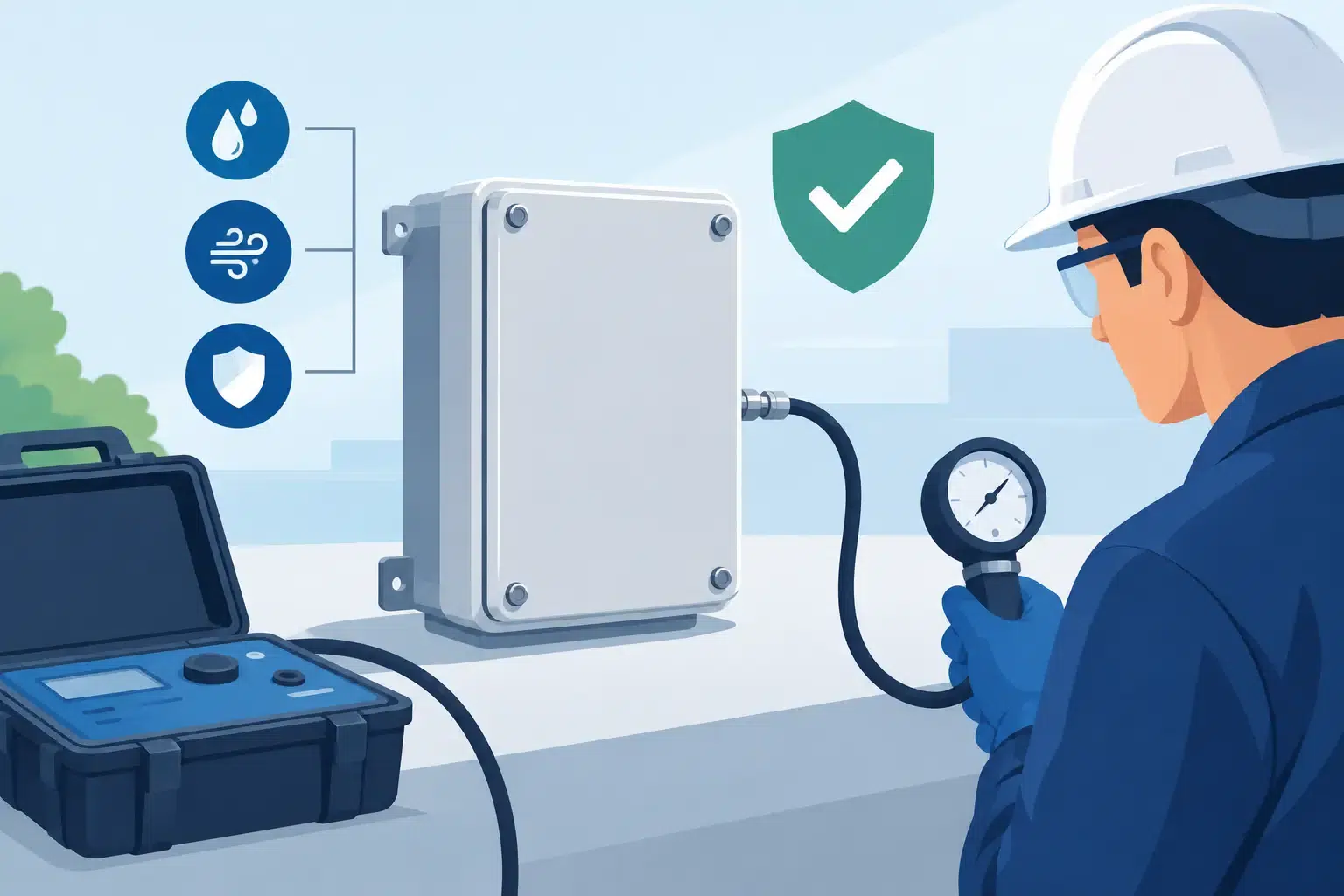
This is why enclosure sealing and room-integrity testing are integral to inert gas projects. A room-integrity fan test assesses leakage and helps demonstrate whether the enclosure can maintain its design concentration for the required retention period. If the result identifies excessive leakage, remedial sealing work is needed before the installation can be relied upon.
High-pressure gas discharge also creates a rapid pressure change within the room. Without suitable pressure relief, that force can damage walls, ceilings, doors or raised floors. Over-pressure vents are calculated as part of the system design to relieve pressure while preserving the enclosure’s ability to retain agent. This detail is often overlooked in early budgets, but it is fundamental to a safe, compliant installation.
Design standards and coordination protect the investment
A credible inert gas system begins with a survey of the room, the protected equipment, services, structural features and occupancy. The design should account for room volume, underfloor and ceiling voids, obstructions, cylinder location, pipe routes, nozzle placement, door operation and interfaces with ventilation and fire alarms.
Systems should be designed, installed and commissioned to relevant standards, including BS EN 15004 where applicable, alongside manufacturer requirements, building regulations, insurer expectations and the site fire strategy. For some projects, third-party certification or specific client standards will also shape the final specification.
Early coordination avoids costly alterations later. A new cable tray route can compromise enclosure integrity; a relocated partition can change the protected volume; a replacement door may introduce leakage; and a change to ventilation can affect the release sequence. Facilities, IT, mechanical, electrical and fire-safety teams should all understand which changes require review.
Maintenance keeps protection available when it is needed
An inert gas system is life-safety infrastructure, not a fit-and-forget installation. Inspections and planned maintenance are needed to confirm the condition of cylinders, valves, actuators, hose connections, pipework, nozzles, detection devices, control panels, warning devices, manual controls and interfaces.
Maintenance also provides an opportunity to identify changes in the room itself. New penetrations, altered layouts, additional cabinets, revised ventilation or changes in occupancy can all affect system performance. Following a fault, discharge or accidental activation, responsive support is equally important: the room needs to be assessed, restored, tested and returned to service with confidence.
For organisations managing critical assets, the useful question is not simply whether a gaseous system can be installed. It is whether the complete design, enclosure, controls, testing and long-term support arrangement will perform when a fire threatens the operation. A specialist review of the room and its risks is the practical starting point for answering that question.
Leave A Comment
You must be logged in to post a comment.