

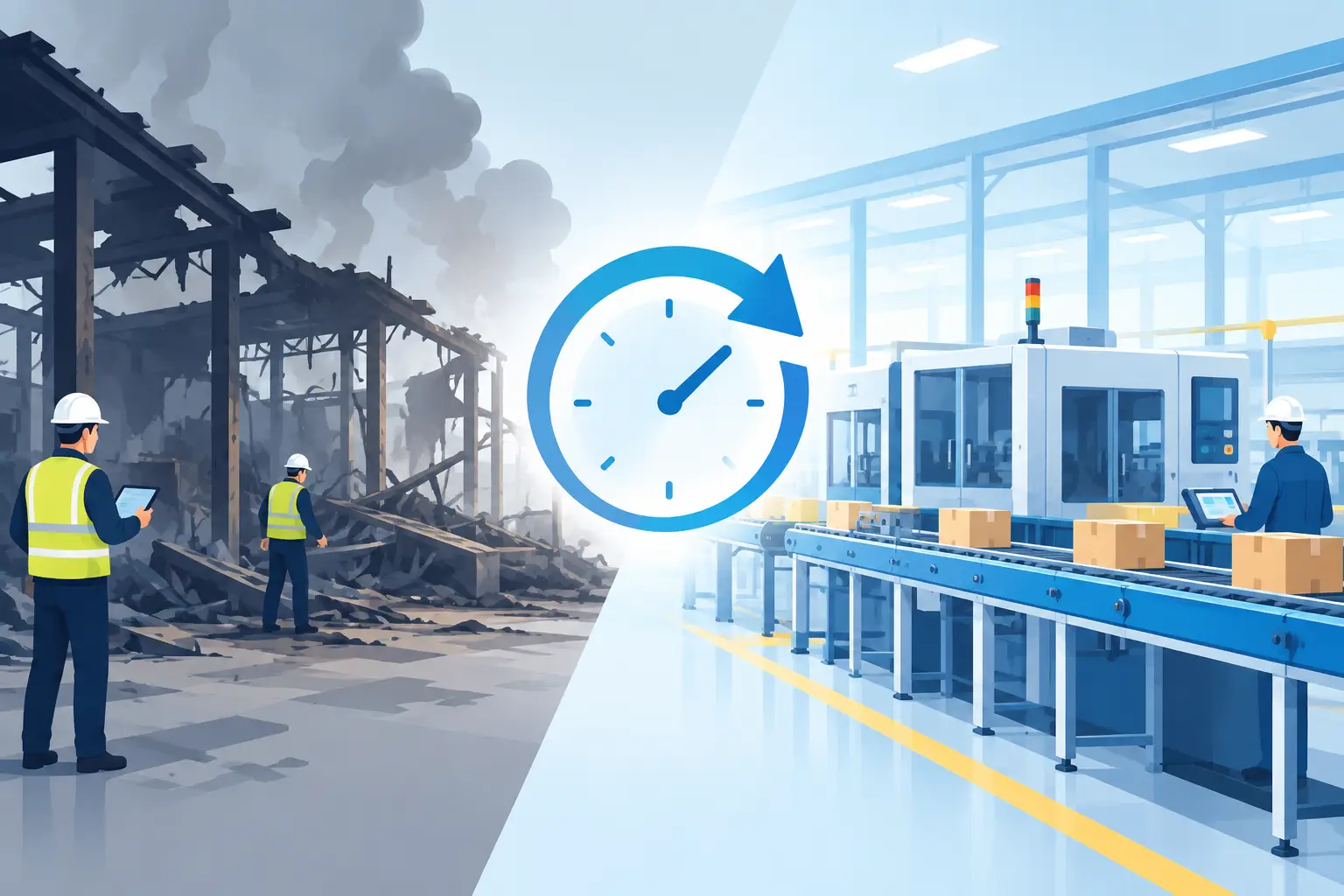
A fire on a manufacturing line is rarely confined to the point of ignition. Heat, smoke, corrosive residues, contaminated lubricants and water from manual firefighting can affect controls, drives, sensors, stock and nearby machinery. Effective manufacturing line fire recovery therefore starts well before production is restarted. The immediate priority is to make the area safe, preserve evidence, understand what failed and prevent a second incident during recovery.
For operations teams, the pressure to resume output can be intense. A stopped line may affect customer deliveries, contractual commitments and downstream processes within hours. However, restarting equipment before its condition and fire protection are properly assessed can turn one event into a longer, more expensive interruption.
The first 72 hours after a line fire
The first decisions after a fire shape the quality and speed of recovery. Once the emergency services have released the area, the site should remain controlled until electrical, mechanical and fire-protection risks have been reviewed by competent people.
Make the area safe before assessing damage
Isolation is more than switching off the affected machine. Electrical supplies, fuel feeds, compressed air, hydraulic systems, process gases and stored energy must be identified and secured. Where a suppression system has discharged, personnel also need to understand the agent used, ventilation requirements and any re-entry procedures.
Do not assume equipment that appears undamaged is safe to operate. Smoke can enter electrical cabinets and settle on printed circuit boards, variable-speed drives, sensors and terminals. In a humid environment, residues can become conductive or corrosive. A seemingly minor event may therefore create faults days or weeks later if cleaning and inspection are rushed.
The scene should be documented before significant clean-up begins. Photographs, alarm records, control-panel event logs, CCTV footage and operator observations help establish the sequence of events. This information supports the investigation, insurers and any review of the installed detection and suppression arrangements.
Separate salvageable assets from uncertain assets
A structured damage assessment should distinguish between equipment that is visibly damaged, equipment affected by smoke or suppressant, and equipment that was nearby but may still be serviceable. This prevents the common mistake of replacing major assets unnecessarily while overlooking smaller components that could cause an unreliable restart.
Specialist cleaning and electrical inspection may be appropriate for control panels, motors, robotics, conveyor systems and machine enclosures. The right approach depends on the material burned, the temperature reached, the agent or water used to fight the fire, and the value and criticality of the equipment. A fire involving plastics, oils or solvents can leave markedly different residues from one involving packaging or electrical components.
Stock, work in progress and packaging also require assessment. Smoke contamination can make products unsuitable for use even where there is no obvious fire damage. Quarantine arrangements should be clear, particularly in food, pharmaceutical and regulated manufacturing environments.
Restore utilities in a controlled sequence
Production should not be restarted simply because the physical fire is out. Utilities and interlocks need planned recommissioning. Electrical testing, machinery safety checks, ventilation verification and process trials should be sequenced so that faults can be found without exposing people or equipment to unnecessary risk.
Fire detection and suppression systems are part of that sequence. If detectors, manual call points, control panels, pipework, nozzles, cylinders or cabling have been affected, the system may be impaired even though it has not discharged. The impairment must be recorded and managed until the system is returned to service or suitable temporary controls are agreed.
Why fire suppression affects manufacturing line recovery
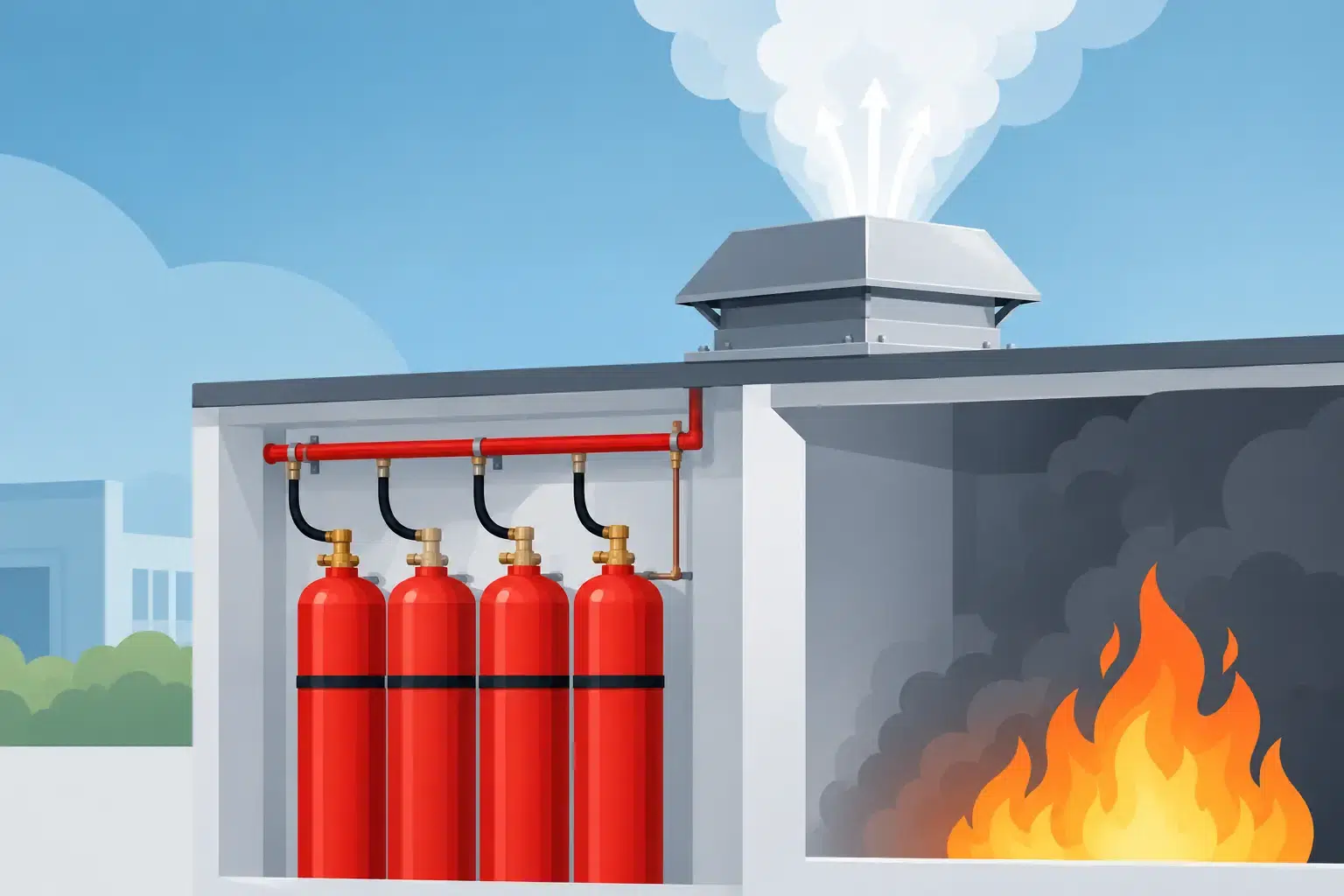
The method used to control the original fire has a direct bearing on recovery time. Water can be essential for certain fire risks, but its use around electrical equipment, precision machinery and sensitive production controls can significantly increase clean-up and replacement work. By contrast, an appropriately designed automatic suppression system can contain a developing fire before it spreads beyond the protected hazard.
That does not mean one extinguishing agent suits every production area. Agent selection must reflect the likely fuel, enclosure conditions, occupancy, machinery layout, ventilation, insurer expectations and environmental policy.
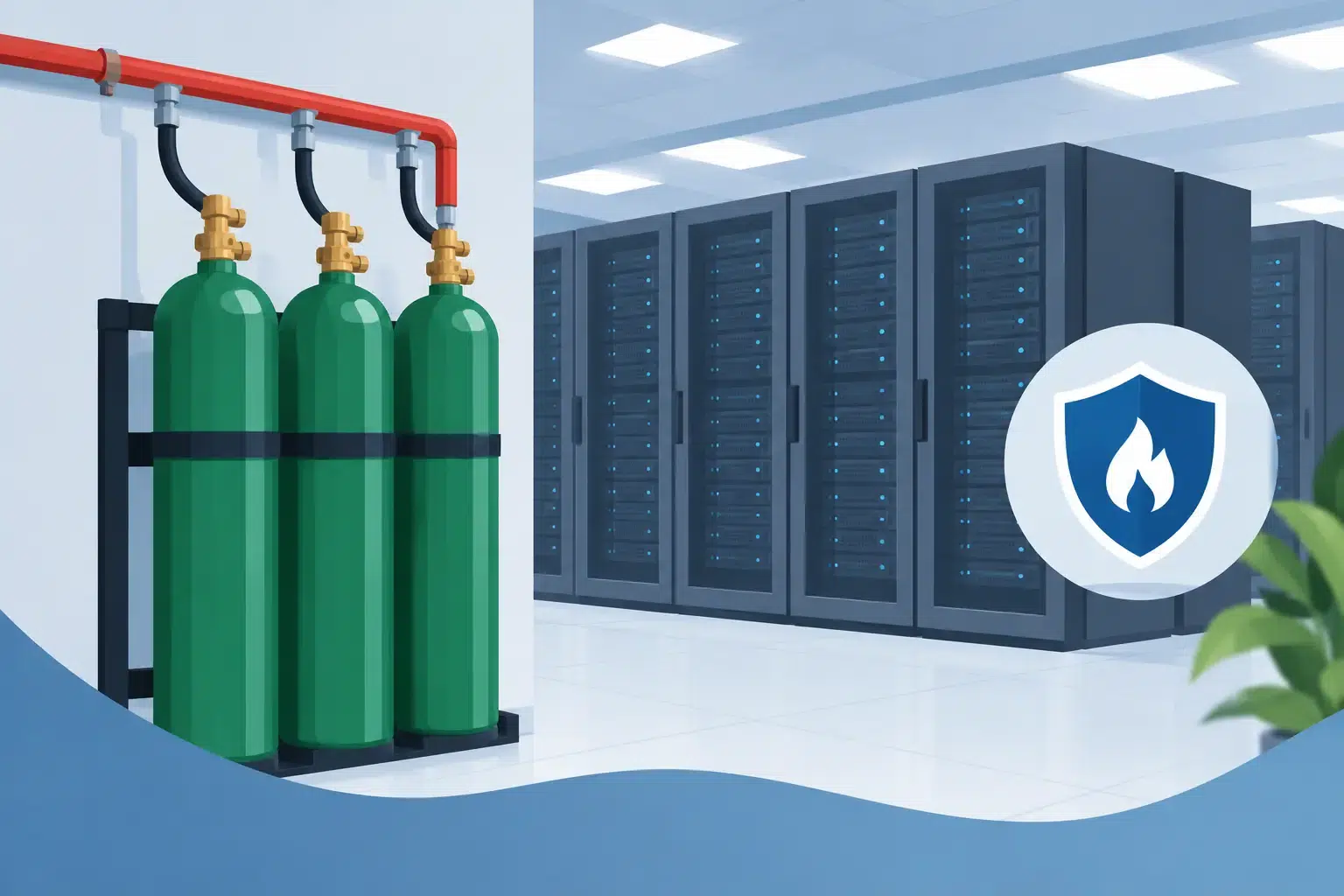
Clean-agent systems using Novec 1230 or HFC227ea/FM200/FE227 can be suitable for enclosed areas containing sensitive electrical and control equipment, where avoiding water damage is a key objective. Inert gas systems such as IG55, IG541, IG01, IG100 and INERGEN® can also protect enclosed hazards without leaving residue, provided the room is sufficiently sealed and pressure relief is correctly addressed.
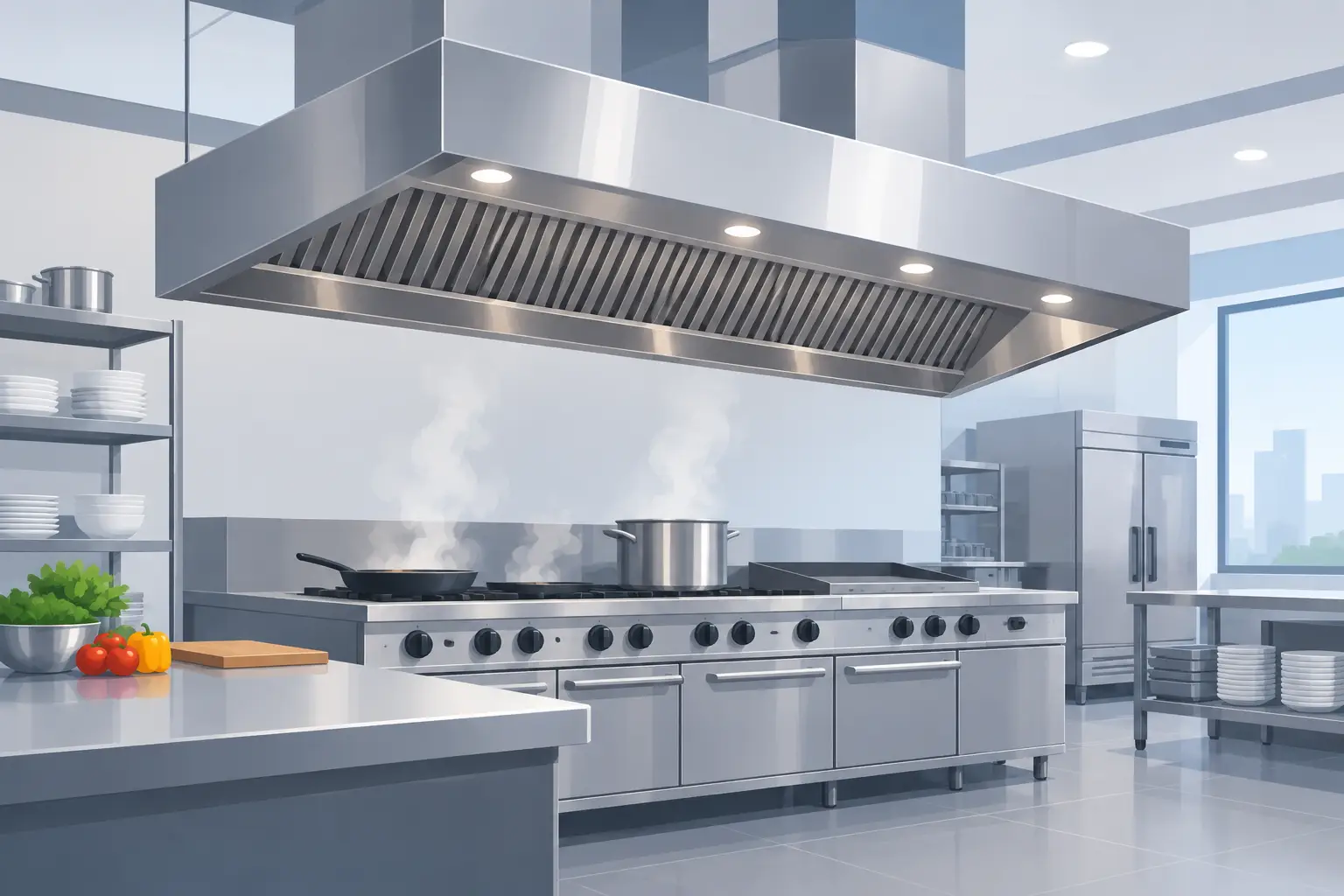
CO2, wet-chemical and dry-powder systems each have defined applications, but they also bring operational considerations. CO2 demands rigorous safeguards because of its life-safety implications. Wet-chemical suppression is designed for commercial kitchen cooking risks rather than general production machinery. Dry powder can be highly effective for specific hazards, yet residue may complicate recovery around delicate equipment. The answer depends on the actual fire scenario, not a generic preference for a particular agent.
Designing recovery into the protection strategy
A fire strategy should consider recovery as well as extinguishment. The key question is not only, “Will the system put out the fire?” It is also, “What will be needed to return this line to dependable operation afterwards?”
Early warning is often the difference. VESDA aspirating smoke detection can identify very low levels of smoke before visible flame develops, allowing investigation or controlled intervention before a process area sustains serious damage. Flame detection may be more appropriate where open-flame risks, fuels or fast-developing fires are present. Detection must be selected and positioned around the process, not merely added to satisfy a drawing requirement.
Automatic suppression should be integrated with the wider line logic where appropriate. This may include emergency shutdown, fuel isolation, conveyor stoppage, damper control, alarm signalling and controlled release procedures. These interfaces require careful design and testing. An automatic shutdown that protects the line in one scenario can create a separate process hazard in another, so the cause-and-effect sequence should be agreed with operations, engineering and safety stakeholders.
Room integrity is also central for total-flooding gaseous systems. If an enclosure cannot retain the required extinguishing concentration, an otherwise well-designed system may not perform as intended. Room-integrity testing, correctly specified over-pressure vents and ongoing control of penetrations are practical parts of maintaining protection, particularly where production areas are regularly altered.
Returning an impaired system to service
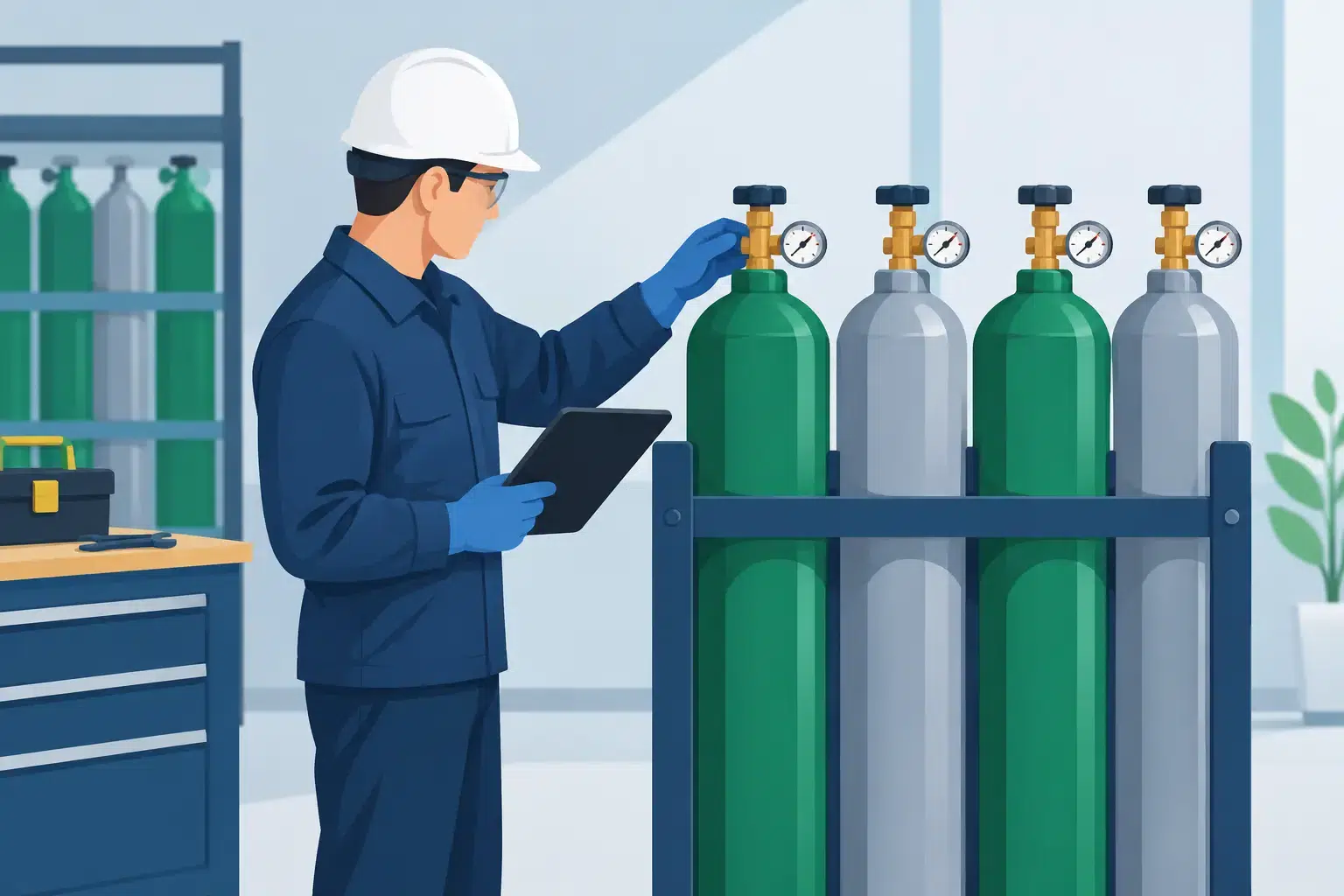
After any fire or discharge, the suppression system needs more than a visual check. Cylinders may require recharge or replacement, releasing panels may need resetting and testing, and discharge pipework, nozzles, detection circuits and interfaces must be examined. If the system protected a sealed enclosure, the integrity of doors, dampers, cable entries and service penetrations should be reassessed before recommissioning.
A competent service provider should establish whether the system operated as designed, whether the fire developed beyond the original design basis, and whether changes to the process have introduced new risks. This review is not about assigning blame. It is about ensuring the restored system reflects current conditions on the line.
For sites with costly downtime exposure, service exchange arrangements and planned access to replacement components can reduce the time spent waiting for essential fire-protection equipment to be restored. Records should then be updated so operations teams, insurers and future maintenance engineers have a clear account of the incident, repairs and tests completed.
A recovery plan that operators can use
The strongest recovery plans are short enough to use under pressure but detailed enough to prevent unsafe decisions. They identify who can authorise re-entry, who contacts insurers and specialist contractors, how production is isolated, where critical spares are held, and what conditions must be met before restart.
They should also identify temporary operating limits. It may be reasonable to restart an unaffected section of a line while the damaged area remains isolated, but only after the risk assessment considers fire separation, escape routes, utilities and the status of detection and suppression coverage. Partial production can protect customer commitments, yet it must not normalise operating with impaired life-safety systems.
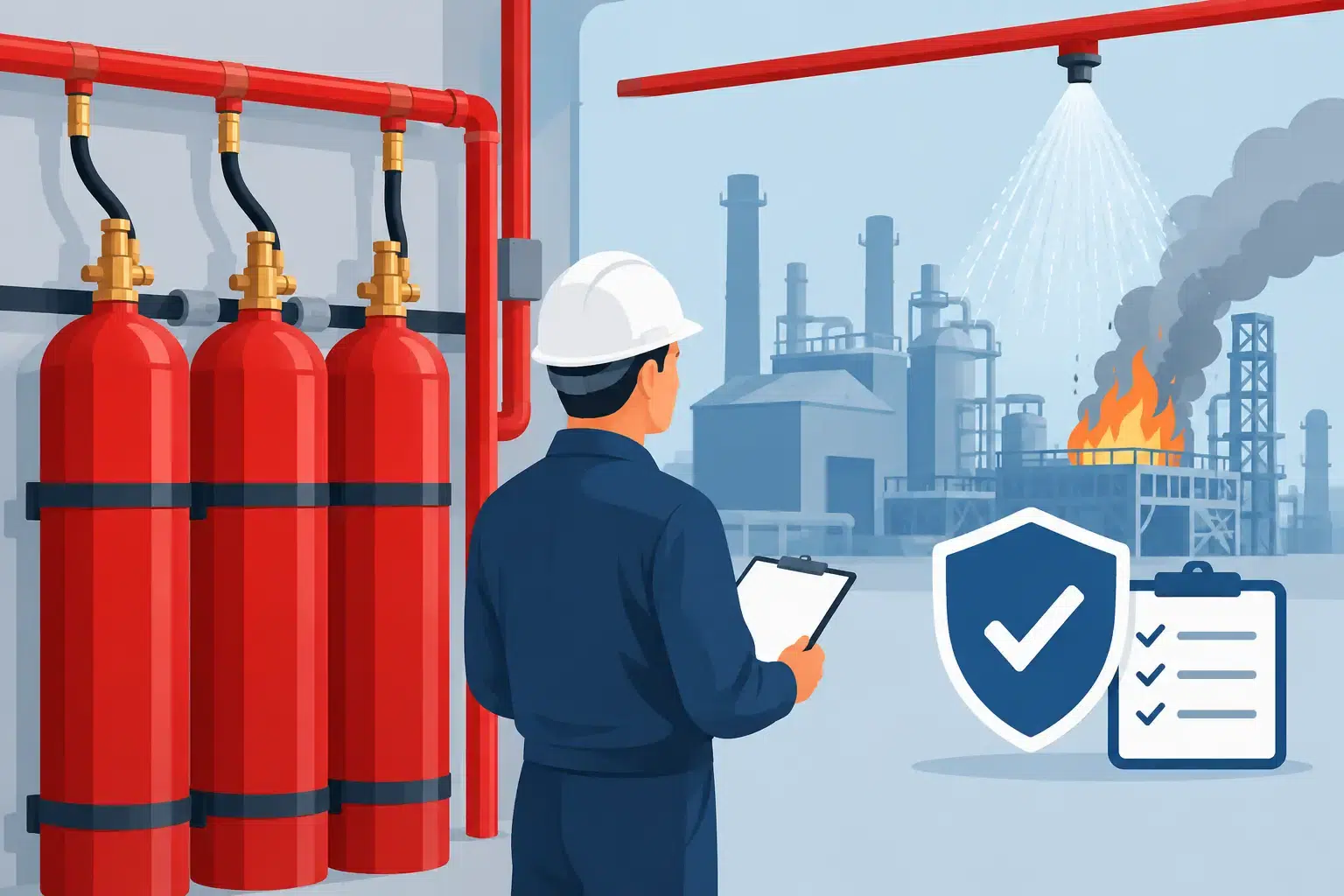
Active Fire Suppression Ltd supports manufacturers with the design, installation, commissioning, testing and maintenance of automatic detection and suppression systems around critical processes and high-value assets. The practical objective is clear: contain a fire early, limit secondary damage and give the operation a credible route back to production.
Recovery is most effective when it is planned before the alarm sounds. A reviewed fire-protection design, tested system, understood shutdown sequence and rehearsed recovery responsibilities give your team more than compliance – they provide control when a production line cannot afford uncertainty.
Leave A Comment
You must be logged in to post a comment.