

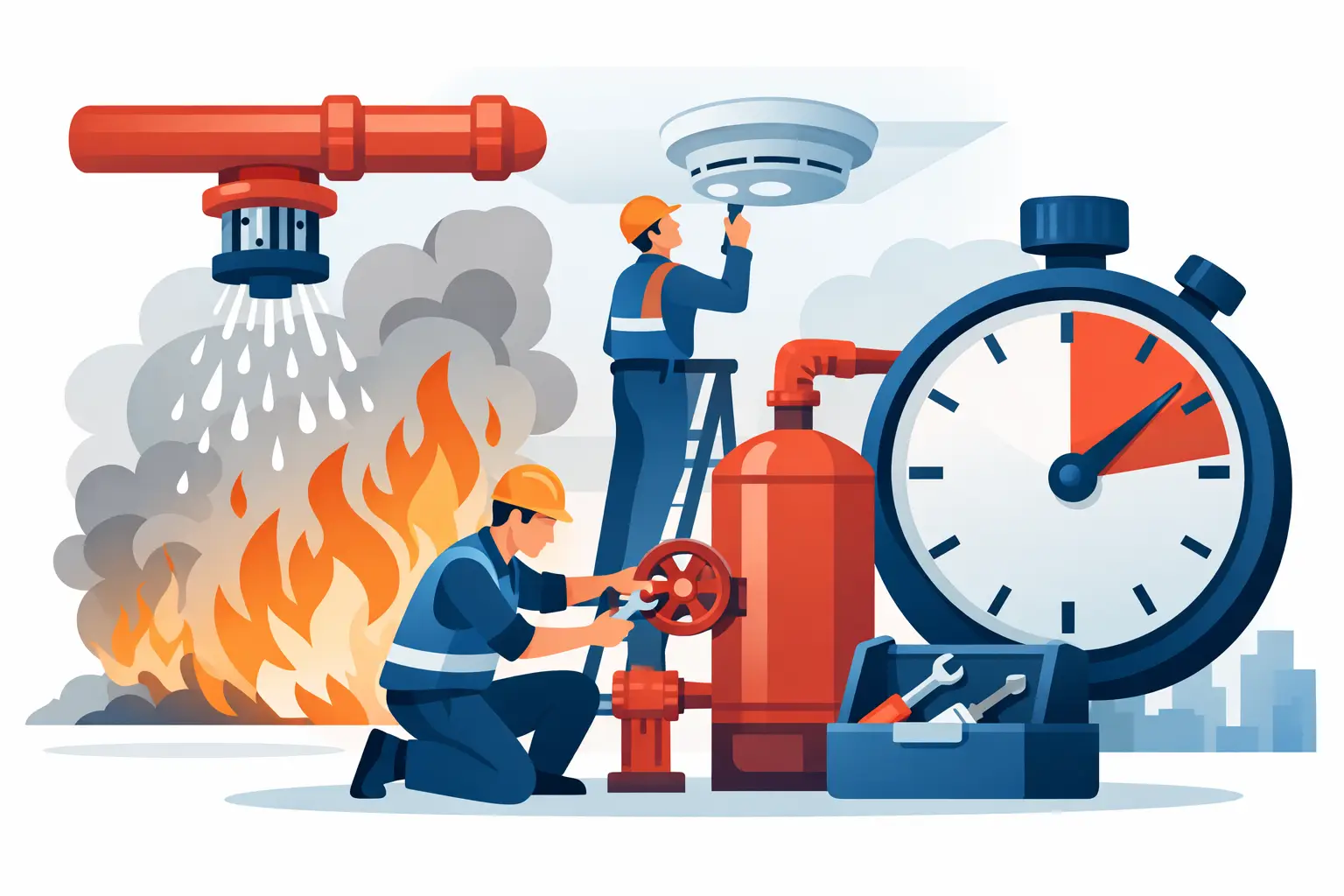
A suppression system can appear healthy until the moment it is needed. A fault indication on a control panel, a damaged detector, a leaking cylinder valve or an altered server-room door may seem minor in isolation. Yet each can affect whether the system detects a fire, releases the designed concentration of agent or keeps people safe during a discharge.
Fire suppression system repairs are therefore not simply a maintenance task to schedule when convenient. In data centres, electrical rooms, battery areas, process facilities and commercial kitchens, the right response protects far more than equipment. It protects operational continuity, insurer confidence and the ability to recover from an incident without unacceptable damage or downtime.
What makes suppression repairs different?
Automatic fire suppression is an engineered life-safety system. Detection, control equipment, alarms, extinguishing agent, pipework, nozzles, pressure relief and room integrity must work together as designed. A defect in one component can compromise the performance of the wider installation.
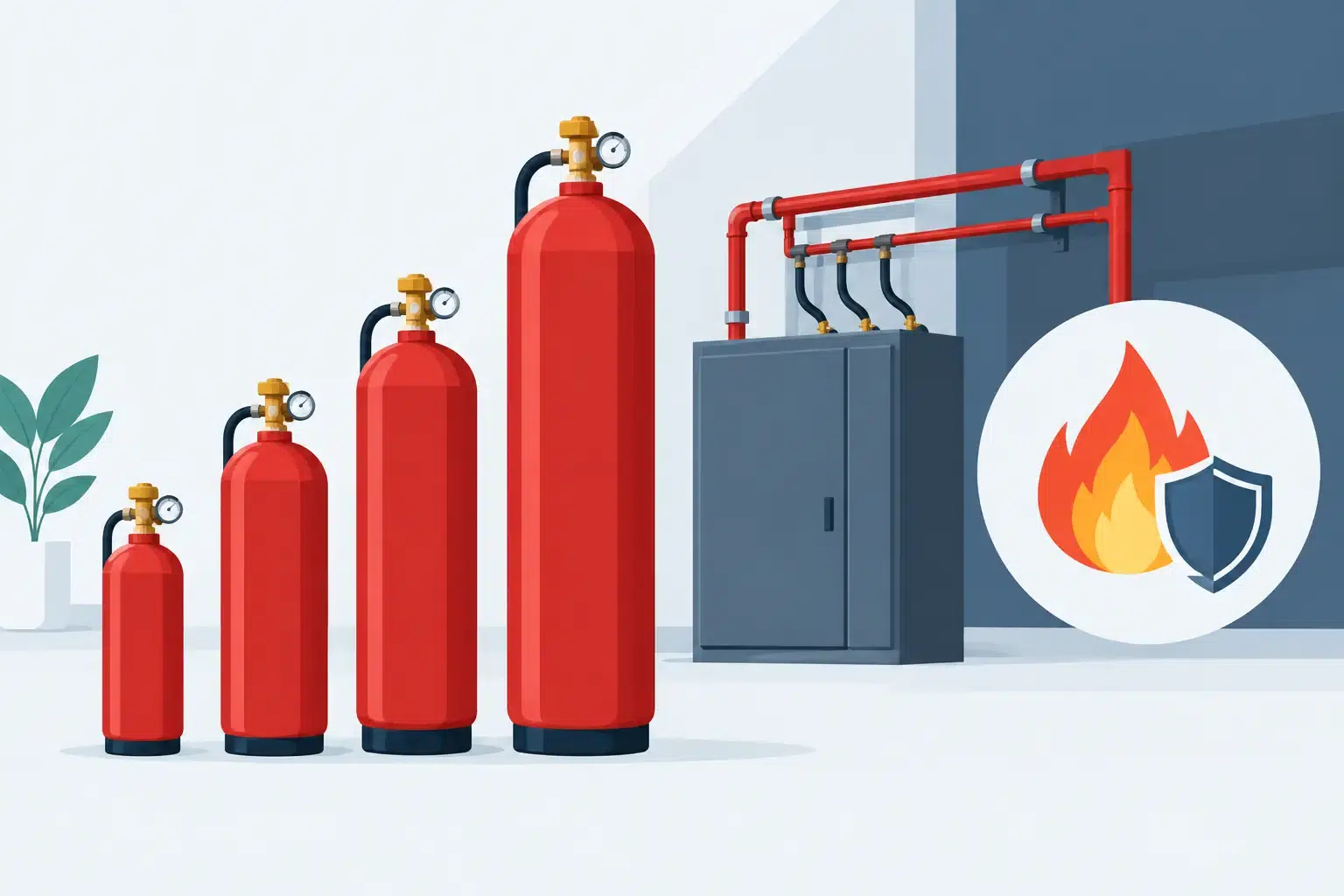
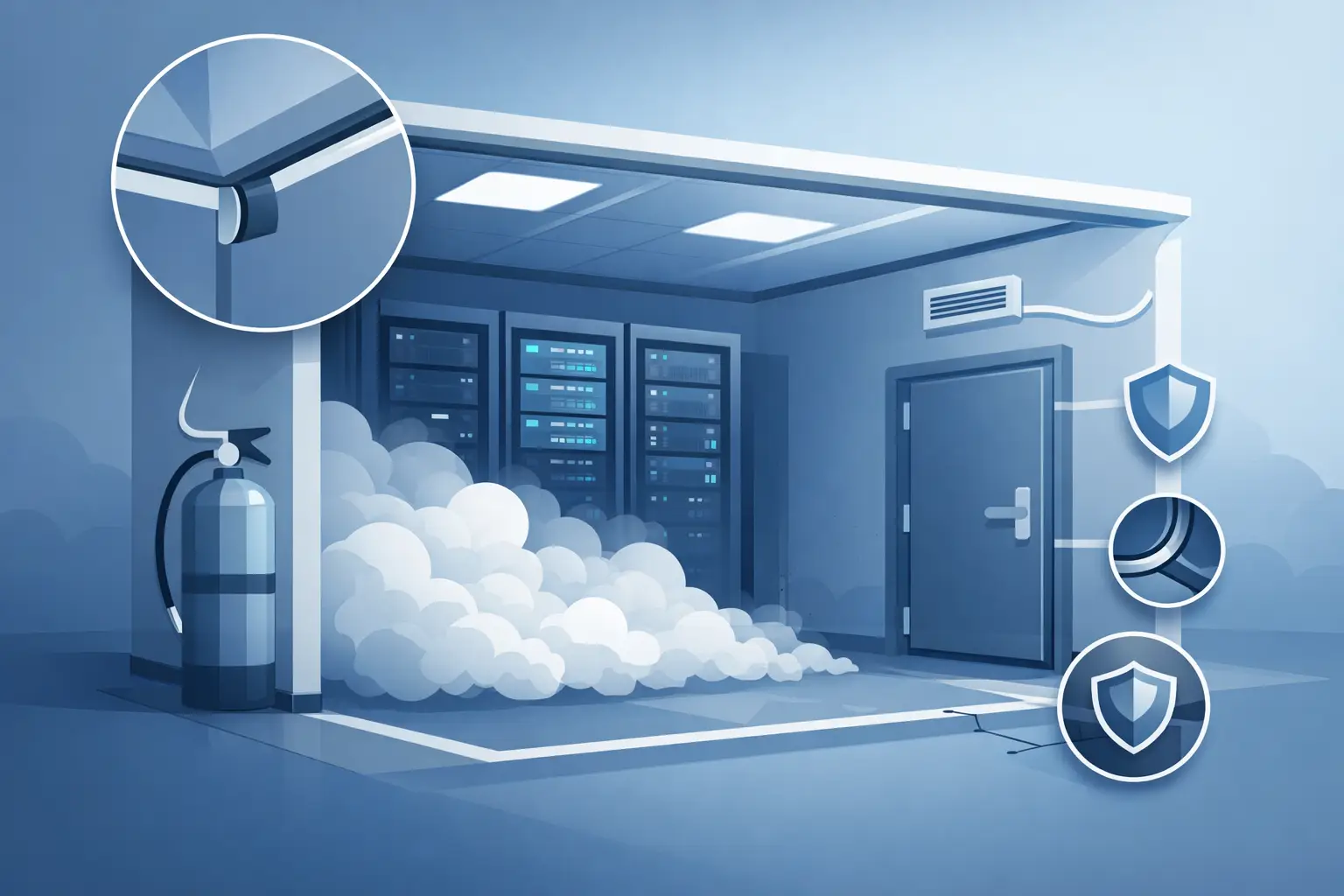
For example, an inert gas or clean-agent system may have fully charged cylinders and a serviceable release panel, but a cable entry introduced during an IT upgrade can create a leak path. If the enclosure cannot retain the required agent concentration for the necessary holding period, a discharge may not extinguish the fire or prevent re-ignition. Equally, a faulty actuator circuit can prevent a correctly designed system from releasing at all.
This is why repairs should begin with diagnosis, not assumptions. The cause of a fault may sit in the detection interface, control logic, mechanical release arrangement, pipework, enclosure or a change in how the protected room is used. Treating the visible symptom alone can leave the underlying risk in place.
When fire suppression system repairs need urgent action
Some issues need prompt attention because they may impair automatic operation, cause an unwanted discharge or leave a protected area without its intended level of protection. The urgency depends on the site risk assessment, occupancy and the resilience built into the facility, but the following conditions should be escalated without delay:
- A suppression control panel shows a fault, disablement, release circuit issue or low-pressure condition.
- Cylinders, valves, hoses, actuators, pipework or nozzles are damaged, corroded, disturbed or showing signs of leakage.
- Detection devices are contaminated, obstructed, physically damaged or repeatedly generating false alarms.
- Building works, new services or changes to doors, ceilings and cable routes have affected the protected enclosure.
- A system has discharged, been isolated after an incident or has failed a periodic test.
A fault does not always mean the site must stop operating. In some cases, temporary measures, additional patrols, compensatory detection or an agreed impairment plan can manage the short-term risk while repairs are arranged. That decision should be made deliberately with competent fire-suppression advice, rather than allowing a system to remain impaired by default.
Post-discharge work is not just a refill
After a discharge, the immediate priority is making the area safe and understanding why the system operated. This may involve confirming whether there was a genuine fire, investigating accidental release, checking alarms and interlocks, and inspecting equipment exposed to heat, smoke or agent.
The system then needs more than replacement cylinders. Depending on the agent and installation, repair work may include replacing actuators or initiating devices, restoring release circuits, inspecting nozzles and pipework, testing detection and controls, reinstating pressure-relief provision, and confirming enclosure integrity. Commissioning checks and a documented return to service give the operator confidence that the original protection objective has been restored.
Common faults and their operational consequences
Control-panel faults are among the most visible problems, but the panel is reporting a condition somewhere in the system. A battery fault may affect standby resilience. A wiring fault can affect a detector circuit, sounder, manual release station, abort switch or solenoid. An output fault may prevent a shutdown signal from operating, such as ventilation control, fuel isolation or equipment shutdown.
Mechanical issues are equally significant. A damaged nozzle, altered pipe run or missing cylinder restraint can affect the engineered discharge arrangement. On CO2, inert gas and clean-agent systems, components must be compatible with the specified system and installed to the relevant design requirements. Substituting parts because they look similar is not a safe repair strategy.
Room changes are another frequent source of problems. A new air-conditioning unit, underfloor cabling, ceiling penetrations or a replacement door can all affect a gaseous suppression system. Room-integrity testing identifies whether the enclosure can retain agent for the calculated duration. It is a practical test with a direct connection to system performance, not an optional extra after building alterations.
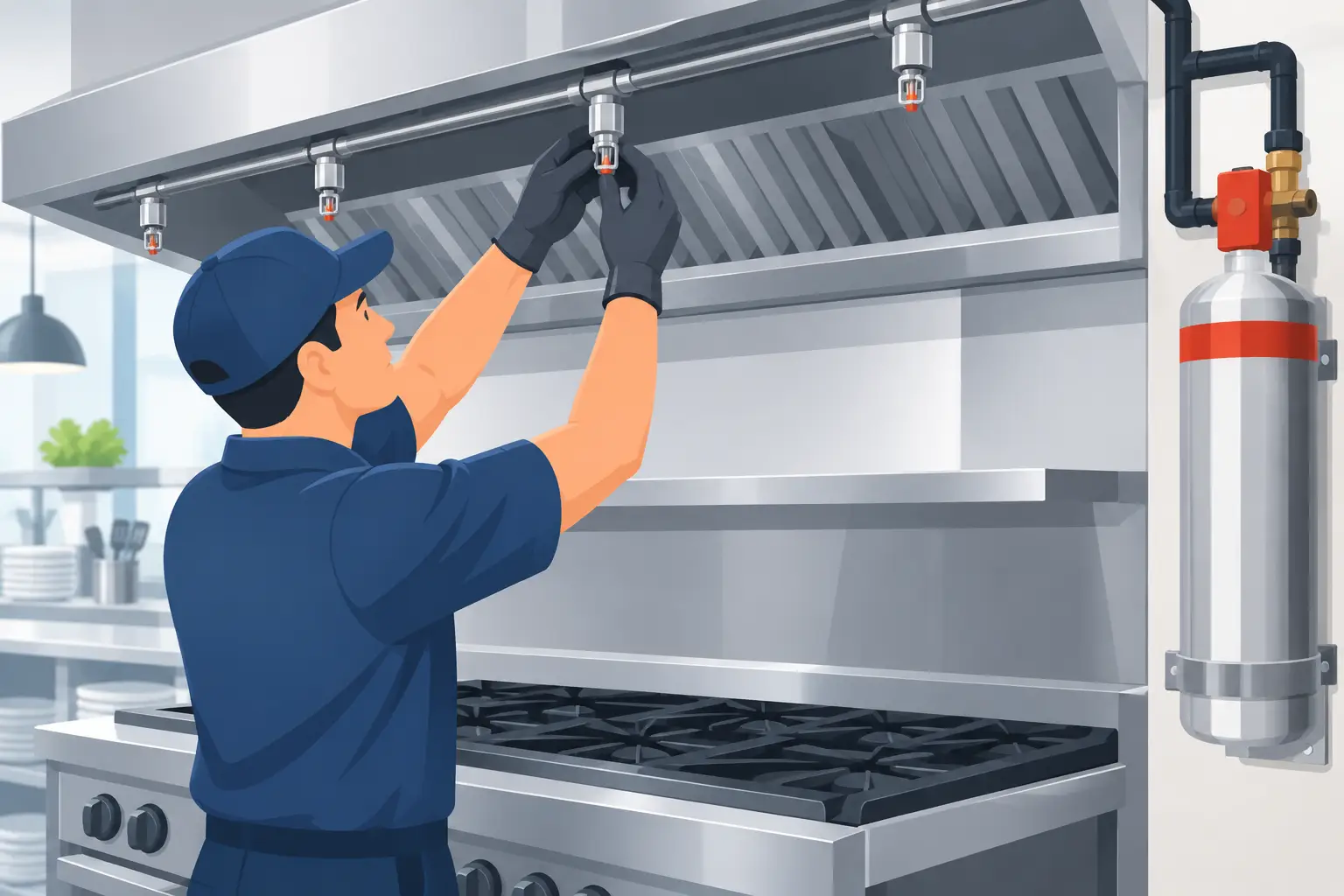
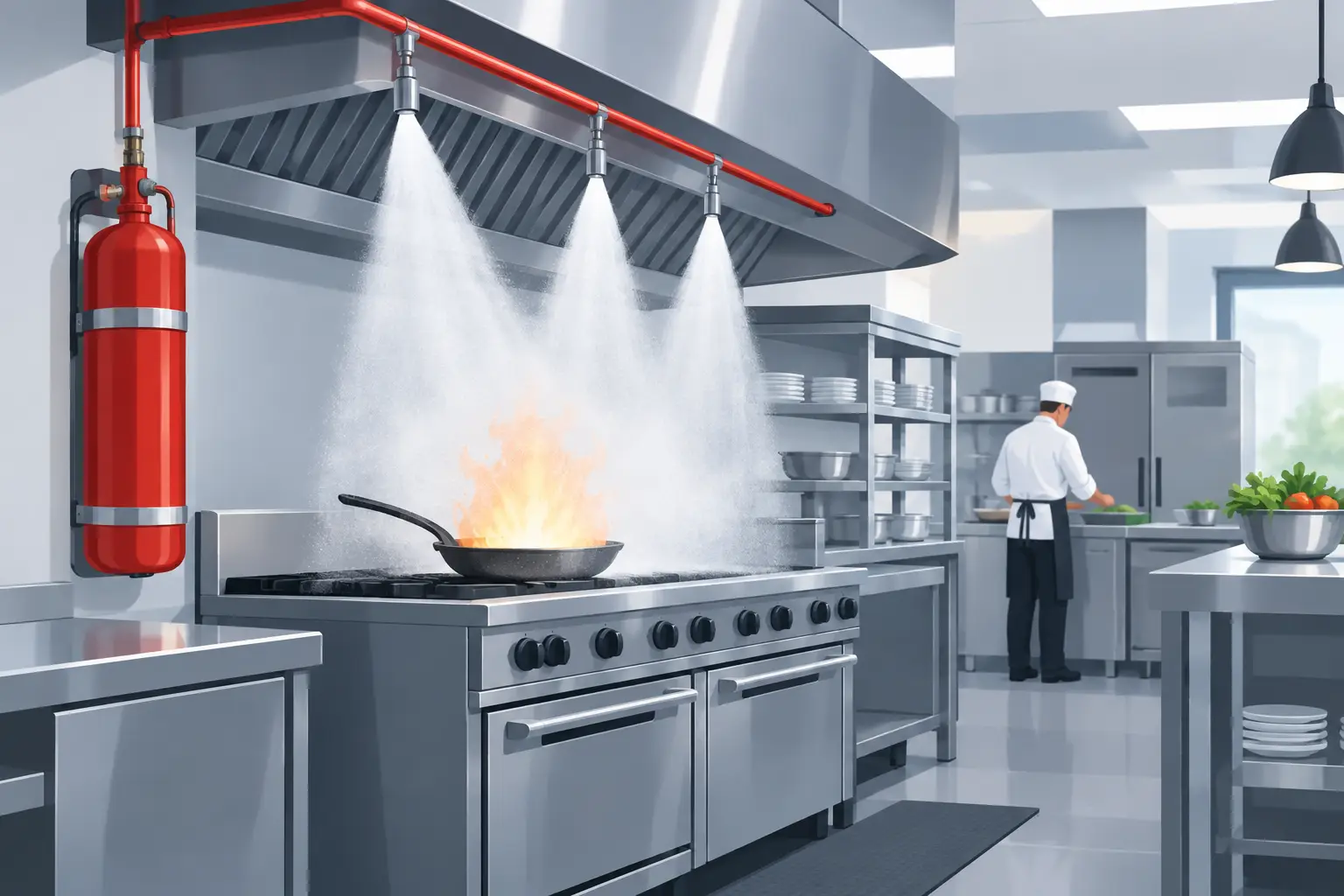
Kitchen systems have their own repair priorities. Fusible links, detection runs, manual pull stations, appliance positioning, nozzles and shut-off interfaces must correspond to the cooking risk being protected. A changed appliance layout may mean the existing wet-chemical arrangement no longer provides appropriate coverage, even if the system itself has no visible fault.
A sensible repair process starts with the protected risk
The most effective repair visit does not begin and end at the fault code. It starts by confirming the protected hazard, the system type and any changes to the area since the last service. A server room with clean-agent suppression requires different checks from a turbine enclosure protected by CO2 or a commercial kitchen using wet chemical.
A competent engineer should establish the reported symptoms, inspect the installation and identify the cause of the impairment. The repair scope can then be agreed, including genuine replacement components, testing requirements and any site access or operational constraints. For critical environments, work should be planned around change-control procedures, maintenance windows and the need to preserve service availability.
Once the repair is complete, functional testing should prove the affected devices and interfaces operate correctly. This may include detector tests, control-panel checks, sounder and visual alarm operation, manual release and abort functions, shutdown interlocks, cylinder supervision and releasing circuits. Full discharge testing is not required after every repair, but it may be appropriate where the nature of the work, system design or governing standard calls for it.
Clear documentation matters. It records the defect, work undertaken, components used, tests completed, remaining recommendations and the system status on departure. For facilities teams, this creates an auditable record for internal governance, insurers and future service planning.
Choosing repair support for critical systems
The lowest initial repair quote is not always the lowest-risk option. A specialist provider should be able to work across the detection, controls, agent and enclosure elements of the system, rather than treating them as separate trades. That capability is especially useful where the fault is not obvious or where several systems interface with each other.
Ask whether the provider has experience of the agent installed, whether it can source approved compatible components, and how it manages impairments while repairs are pending. It is also worth confirming its approach to commissioning, room-integrity testing and documentation. These are the details that separate a component replacement from a properly restored protection system.
For older installations, repair may reveal a wider decision. Obsolete control equipment, unavailable spares, altered room layouts or changing environmental policy can make a system upgrade more sensible than repeated reactive work. The right choice depends on the condition of the existing system, the value of the protected assets, downtime exposure and the practicality of improving the installation in phases.
Preventing repeat faults through planned maintenance
Reactive repairs cannot be eliminated completely. Equipment ages, environments change and accidental damage happens. Planned maintenance does, however, identify many developing issues before they become a system impairment.
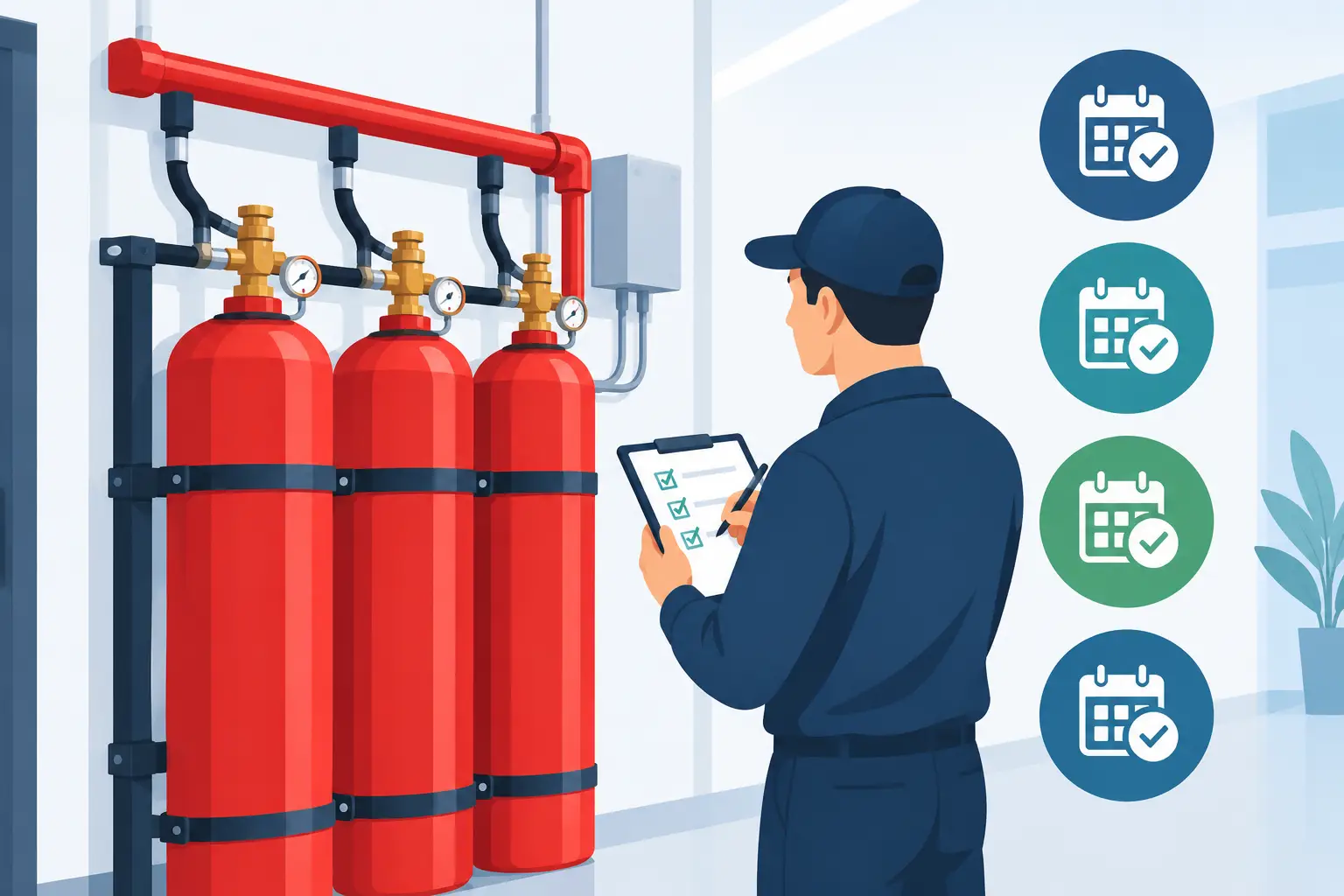
Routine inspection can highlight pressure loss, battery deterioration, blocked nozzles, corrosion, detector contamination, disabled circuits and changes to room sealing. It also provides an opportunity to review whether the system still reflects the current risk. A battery room converted from lead-acid to lithium-ion technology, for instance, may need a different protection discussion rather than a like-for-like repair approach.
Facilities and engineering teams can make service visits more effective by recording faults promptly, retaining details of building changes and ensuring contractors understand that protected enclosures require careful control. A simple notification process for new cable penetrations, ventilation changes or door replacements can prevent expensive remedial work later.
Active Fire Suppression approaches repairs as part of the system’s full operating life: identifying the cause, restoring performance, testing the affected functions and helping the site plan the next sensible step. If a suppression fault is present, treating it early gives your team more choices, less disruption and greater confidence that critical assets remain protected when it matters.

Leave A Comment
You must be logged in to post a comment.